
Wellness
Self-Care & Home Management Education
in Orland Park, IL
The goal of good lymphedema and oncology care isn't your last appointment — it's the day you can manage confidently at home. We teach self-MLD, skin care, garment care, and exercise so the gains hold long after treatment.
Often paired with related care
What we treat
Conditions
seen in this specialty.
We accept these as primary diagnoses. If you're not sure where your case fits, a 60-minute evaluation maps it correctly on day one.
Lymphedema requiring lifelong management
Lymphedema doesn't go away — but with the right self-care it stays controlled. We teach the daily routine that keeps it that way.
Post-cancer-treatment survivorship
Survivors who want a clear, sustainable home plan to maintain strength, mobility, and lymphatic health.
Lymphedema risk after node removal
At-risk patients who benefit from learning prevention and early-warning self-monitoring before any swelling starts.
Compression garment users
Anyone wearing garments who needs to know how to don, doff, care for, and replace them correctly.
Patients transitioning out of active therapy
The handoff from clinic care to confident self-management, so progress is protected, not lost.
When to see a PT
Signals that
warrant an evaluation.
If you notice any of these patterns — even occasionally — it's worth a sixty-minute assessment to map what's actually going on.
Uncertainty about how to manage your condition at home
Not knowing whether you're doing self-MLD correctly
Confusion about skin care or garment care
Worry about what warning signs to watch for
Wanting to stay independent between or after appointments
How we treat it
The clinical playbook
for this specialty.
01—Modality
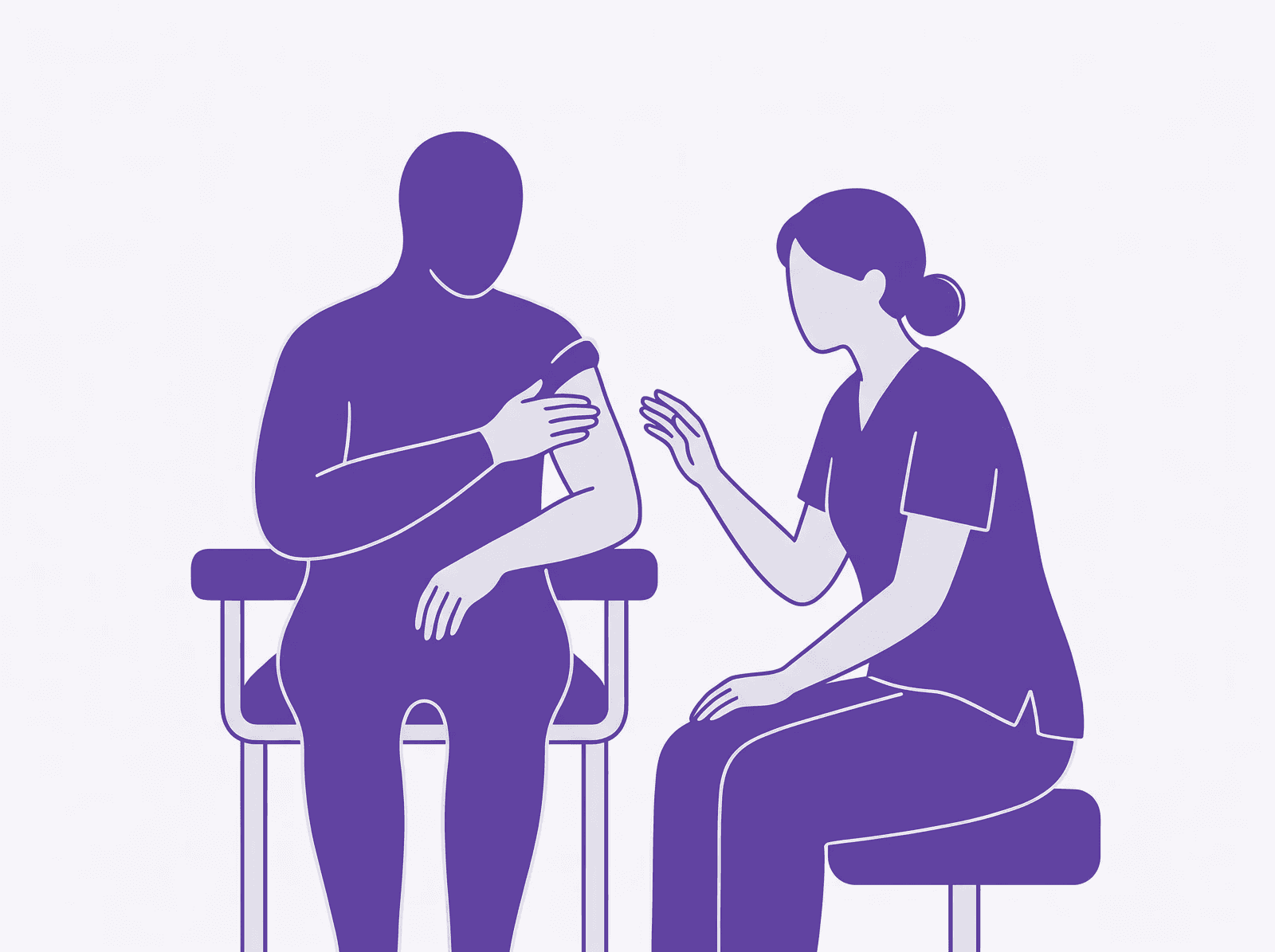
Self-MLD technique training
Step-by-step coaching in a simplified version of manual lymphatic drainage you can perform on yourself, with hands-on feedback until you've got it.
02—Modality
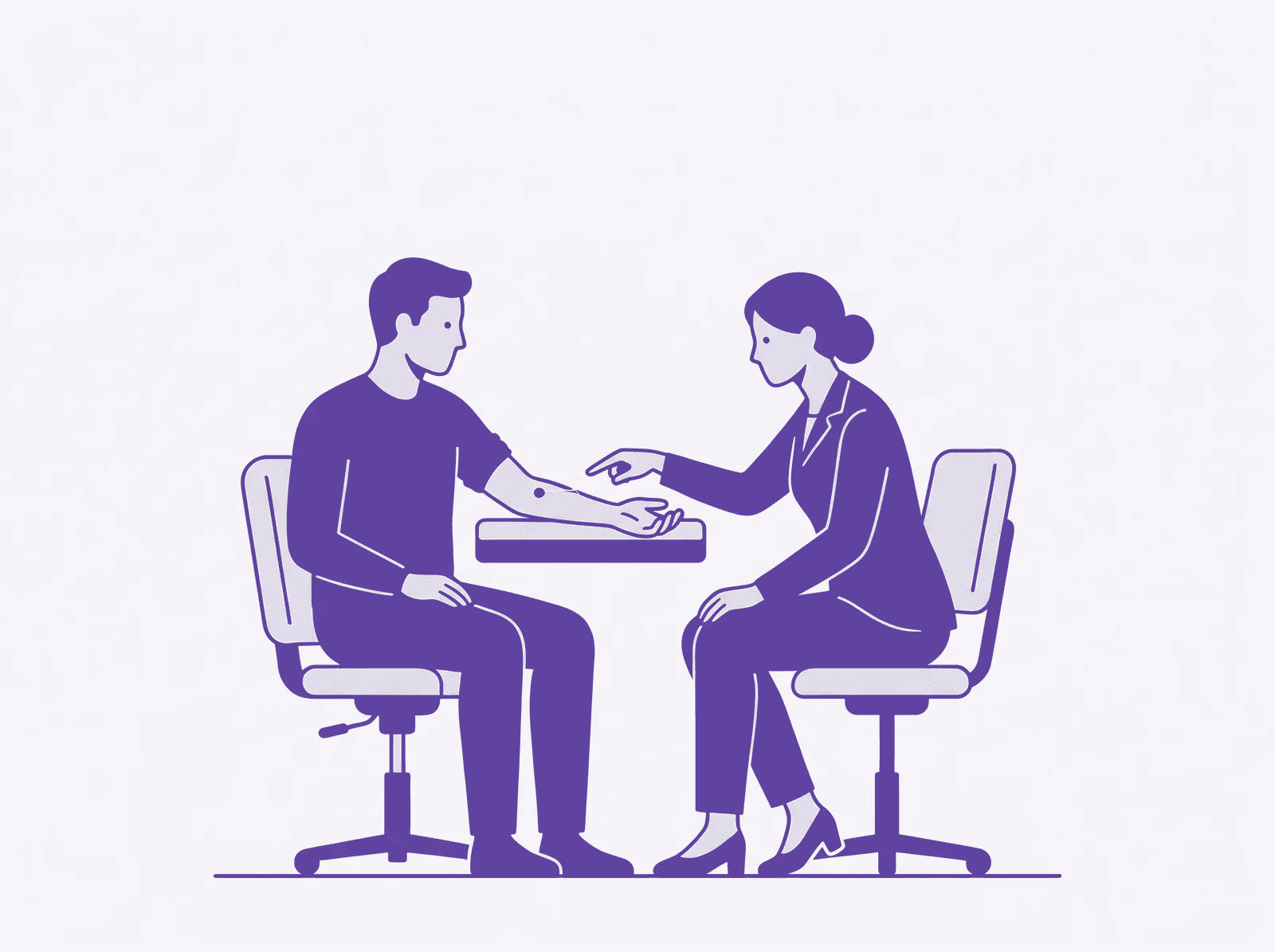
Skin & nail care routine
The daily hygiene and inspection habits that keep fragile, infection-prone skin intact and catch problems early.
03—Modality
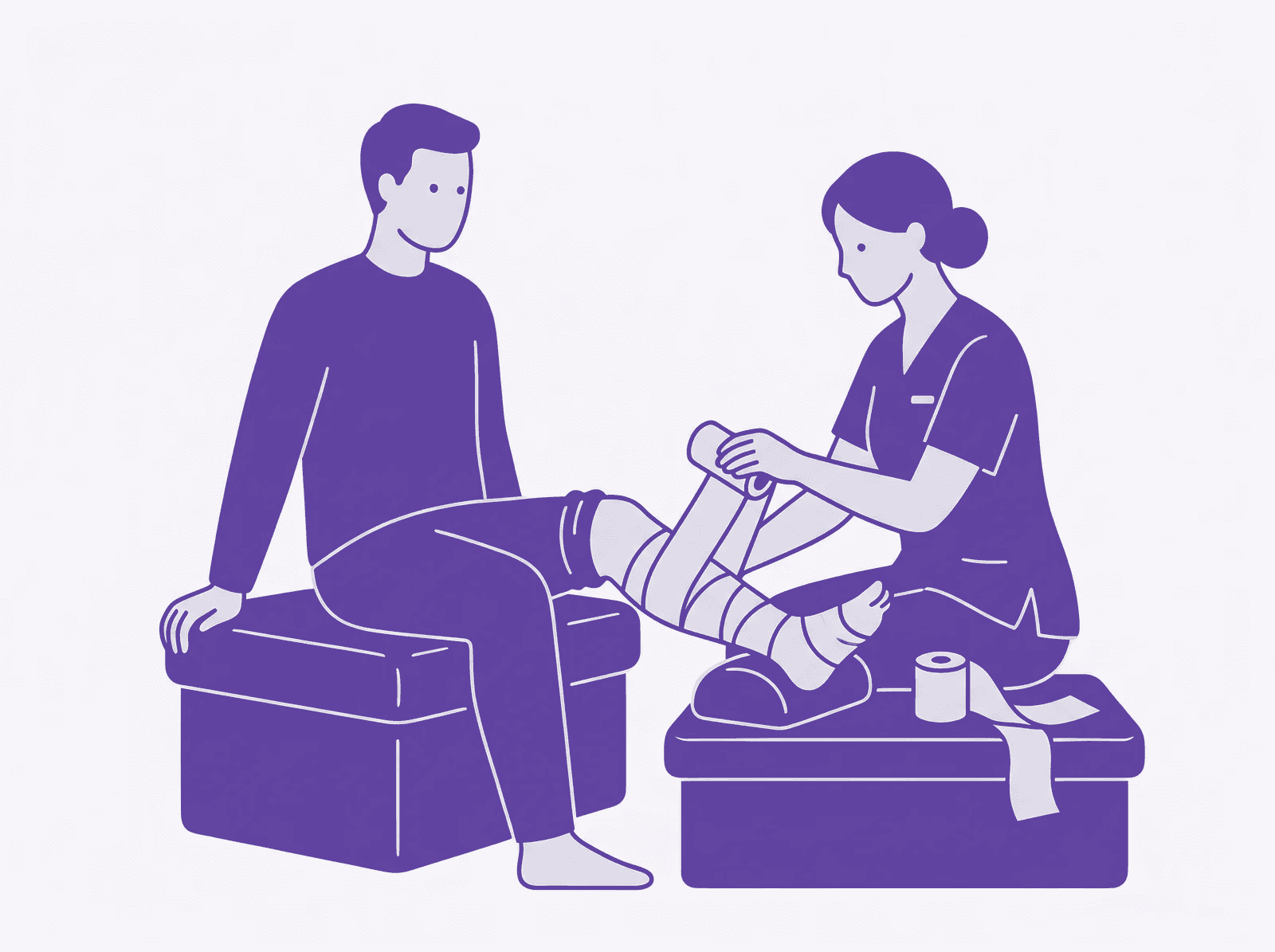
Compression garment care
How to don and doff garments correctly, care for them so they keep their pressure, and recognize when it's time to replace them.
04—Modality
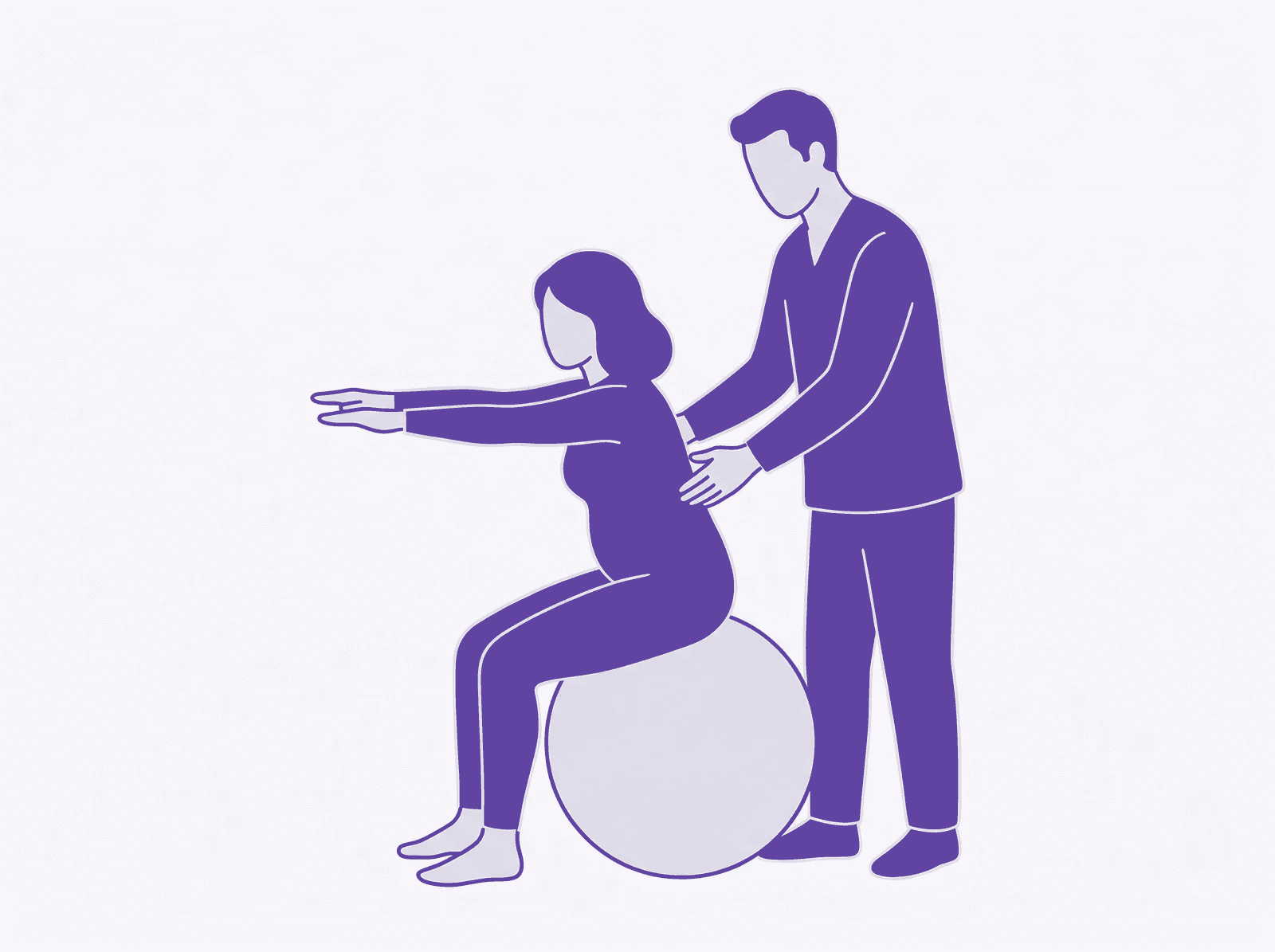
Home exercise program
A personalized routine of decongestive and conditioning exercise you can sustain at home in a manageable amount of time.
05—Modality
Warning signs & when to call
Clear guidance on the early signs of infection or worsening swelling and exactly when to reach out, so small issues stay small.
Warning signs & when to call
What to expect
The phased timeline
most patients follow.
Honest milestones. Cases vary, but most look something like this. We re-test at every phase so progress is measured, not assumed.
- 01Visit 1
Assess & demonstrate
We review your condition and current routine, then begin demonstrating the self-care techniques most relevant to you.
- 02Practice sessions
Hands-on coaching
You practice self-MLD, skin care, and garment handling with real-time feedback until each technique feels natural.
- 03Independence check
Confidence confirmed
We confirm you can carry out the full routine on your own and answer the questions that come up once you're doing it.
- 04Follow-up
Periodic check-ins
Occasional visits to refine technique, update the plan, and make sure your self-care is still doing its job.
Why LORC
Why LORC
leads this specialty.
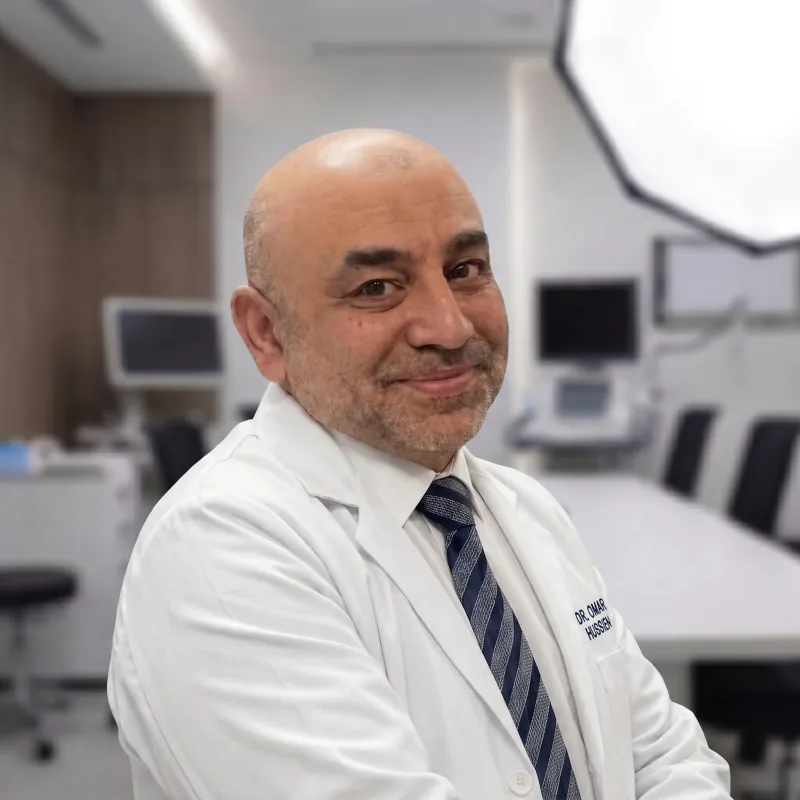
Both LORC clinicians teach self-care because both believe independence is the real outcome. Lamiaa Hefni, CLT-LANA, trains patients in self-MLD, skin care, and garment management, while Dr. Omar Hussien, PT, DPT, CLT, builds the home exercise side. Together they send you home in Orland Park able to manage your own condition with confidence.
Related services
What patients with this diagnosis
often add to their plan.
Lymphedema Therapy
Most clinics call themselves lymphedema-friendly. Lamiaa Hefni holds the CLT-LANA — the credential roughly 1 in 100,000 Americans is qualified to carry. That is the difference between learning lymphedema and specializing in it.
Complete Decongestive Therapy
CDT is the international gold standard for lymphedema. Four pillars — manual lymphatic drainage, compression, decongestive exercise, and skin care — delivered together by a CLT-LANA therapist at LORC.
Compression Therapy
Compression is what holds a reduction in place. We apply multi-layer short-stretch bandaging during the decongestive phase, then measure and fit the custom garment that keeps the limb stable for daily life.
Common questions
About self-care education
therapy.
With proper training, most patients can. Lymphedema is a lifelong condition, and day-to-day control comes from consistent self-care — self-MLD, skin care, compression, and exercise. Our job is to teach those skills thoroughly so you can maintain your results between and after appointments with confidence.
They serve different roles. Hands-on MLD during an intensive phase achieves the initial reduction; self-MLD maintains it day to day. Once you're trained, self-MLD is exactly what keeps a limb stable at home — it's a core part of long-term management, not a lesser substitute.
Many patients gain solid command of their core routine in a handful of focused sessions, with feedback along the way. More complex situations take a little longer. We don't consider the teaching done until you can perform the techniques confidently on your own.
Self-care and home-management training is part of medically necessary physical therapy and is typically covered when integrated into your plan of care. We verify your benefits and handle the documentation before you begin.
Get started
Book your
self-care education evaluation.
Same-week availability for most new patients. We verify your benefits before your first visit.