
Oncology
Oncology Rehabilitation
in Orland Park, IL
Cancer treatment is hard on the body long after it ends. Our oncology rehab rebuilds strength, range of motion, and endurance — and manages the fatigue and deconditioning that survivorship rarely addresses on its own.
Often paired with related care
What we treat
Conditions
seen in this specialty.
We accept these as primary diagnoses. If you're not sure where your case fits, a 60-minute evaluation maps it correctly on day one.
Cancer-related fatigue
The deep, persistent tiredness that doesn't resolve with rest. Graded, supervised exercise is the best-evidenced treatment.
Deconditioning after treatment
Loss of strength and stamina from months of chemo, radiation, or reduced activity. Reconditioning rebuilds it safely.
Reduced range of motion
Stiffness and restriction after surgery or radiation that limits reaching, lifting, or daily tasks.
Chemotherapy-induced neuropathy
Numbness, tingling, or balance changes in the hands and feet that affect walking and grip.
Post-surgical weakness
Strength deficits after cancer surgery that benefit from gradual, well-paced loading.
Lymphedema risk after cancer treatment
Survivors at risk for swelling are monitored and educated so problems are caught early or prevented entirely.
When to see a PT
Signals that
warrant an evaluation.
If you notice any of these patterns — even occasionally — it's worth a sixty-minute assessment to map what's actually going on.
Exhaustion that rest doesn't fix
Feeling weaker or unsteady than before treatment
Difficulty returning to work, exercise, or daily routines
Stiffness or restricted movement after surgery or radiation
Numbness or tingling in the hands or feet
Loss of confidence in your body after cancer care
How we treat it
The clinical playbook
for this specialty.
01—Modality
Cancer-related fatigue management
A graded, individually paced exercise plan — the most effective treatment for cancer fatigue — combined with energy-conservation strategies for daily life.
Cancer-related fatigue management
02—Modality
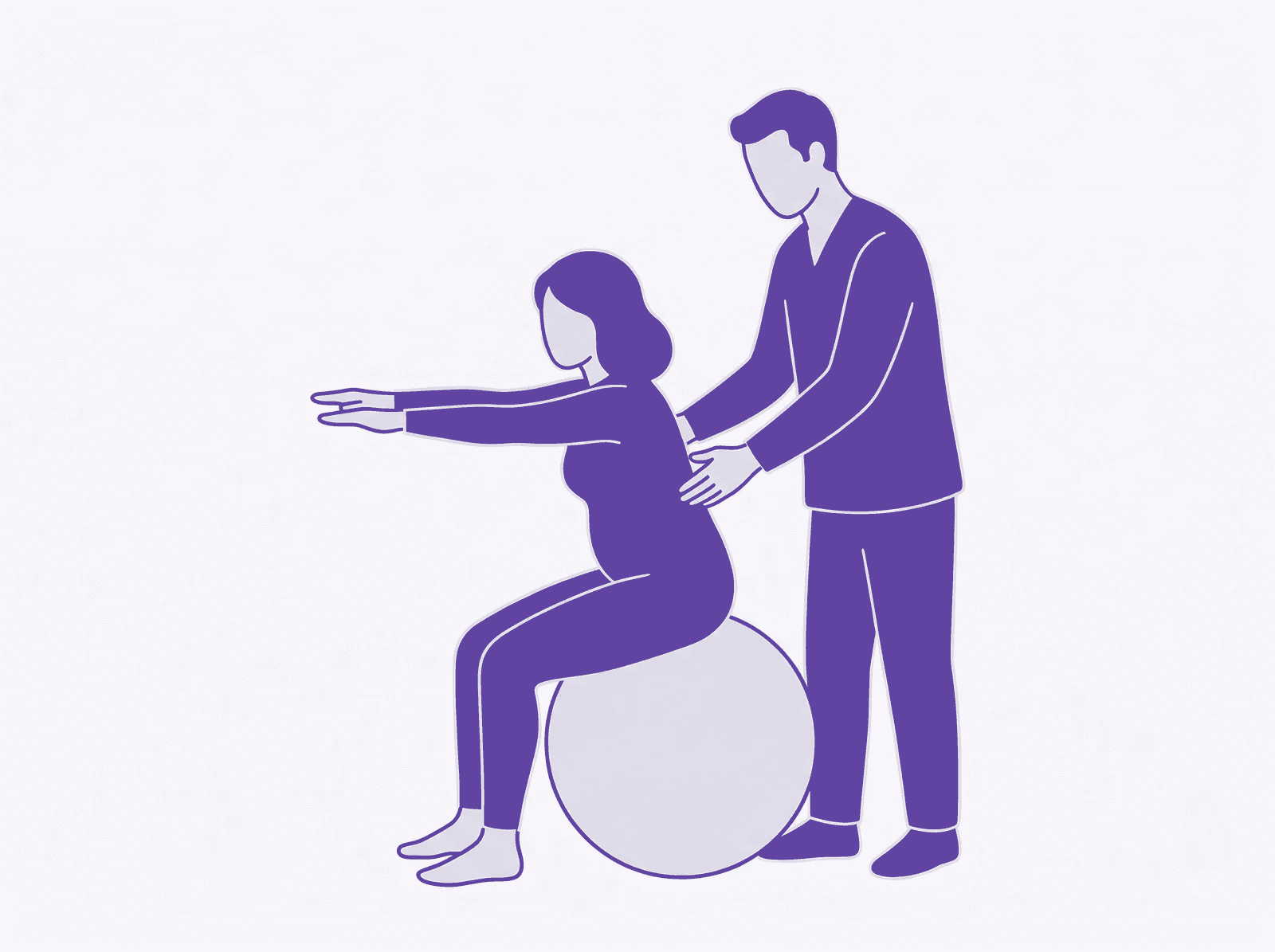
Graduated strengthening
Carefully loaded resistance work that rebuilds muscle lost during treatment, calibrated to where your body is today and advanced as you tolerate it.
03—Modality
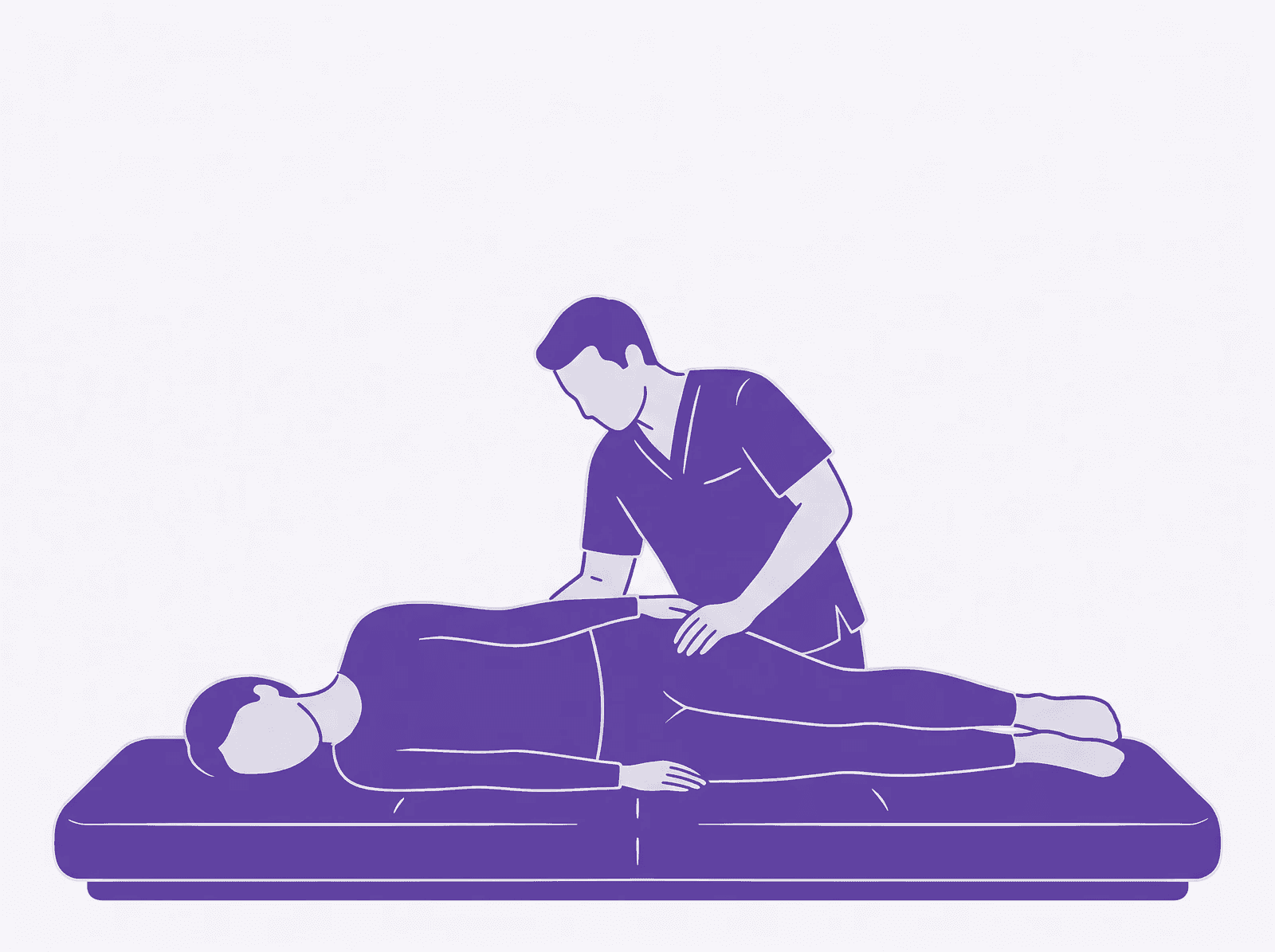
Range-of-motion restoration
Hands-on and active work to recover the movement restricted by surgery, scar tissue, or radiation, so reaching and lifting return.
04—Modality
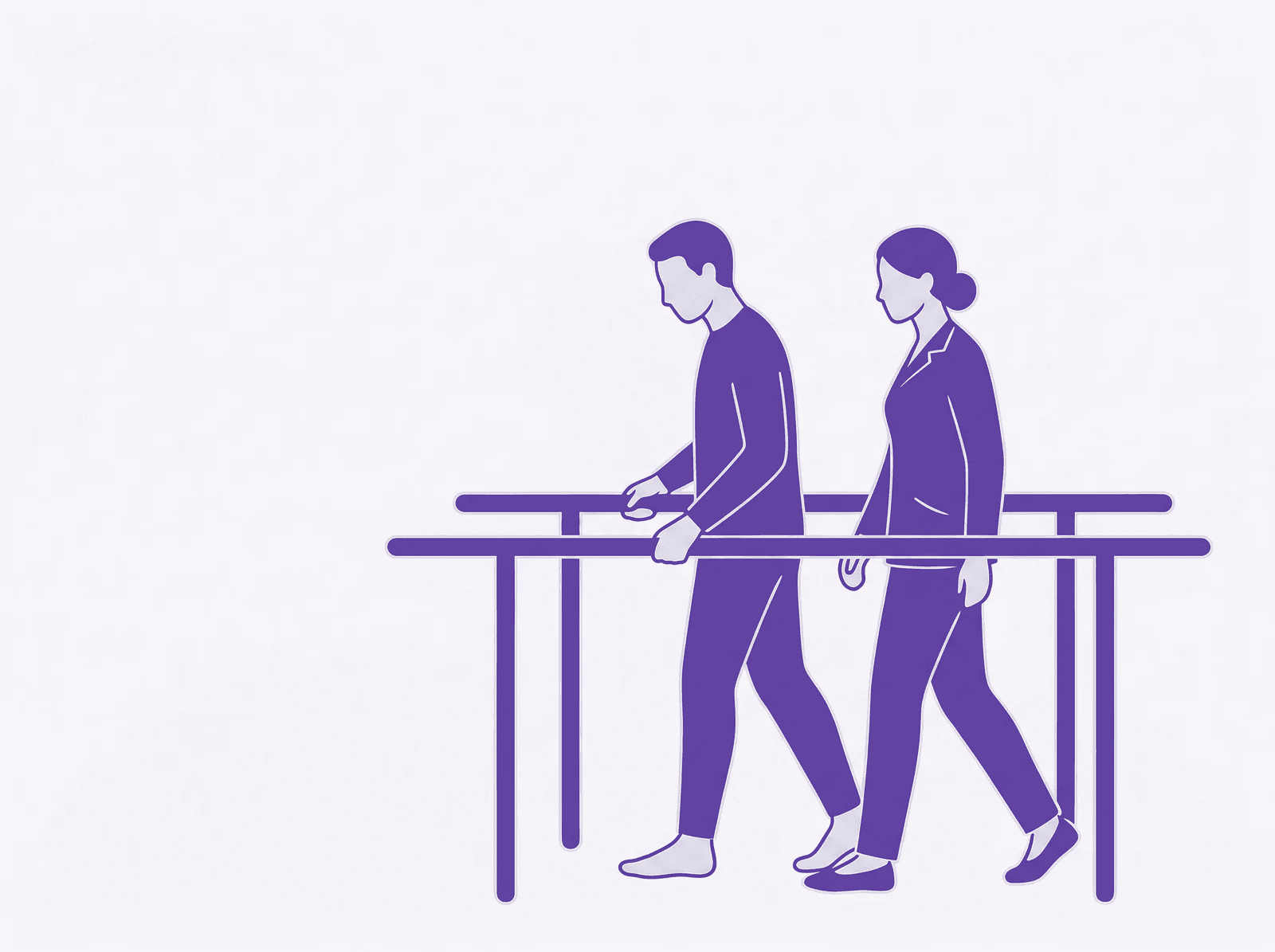
Endurance & aerobic rebuilding
Walking and conditioning programs that rebuild stamina gradually, restoring the capacity to get through a full day.
05—Modality
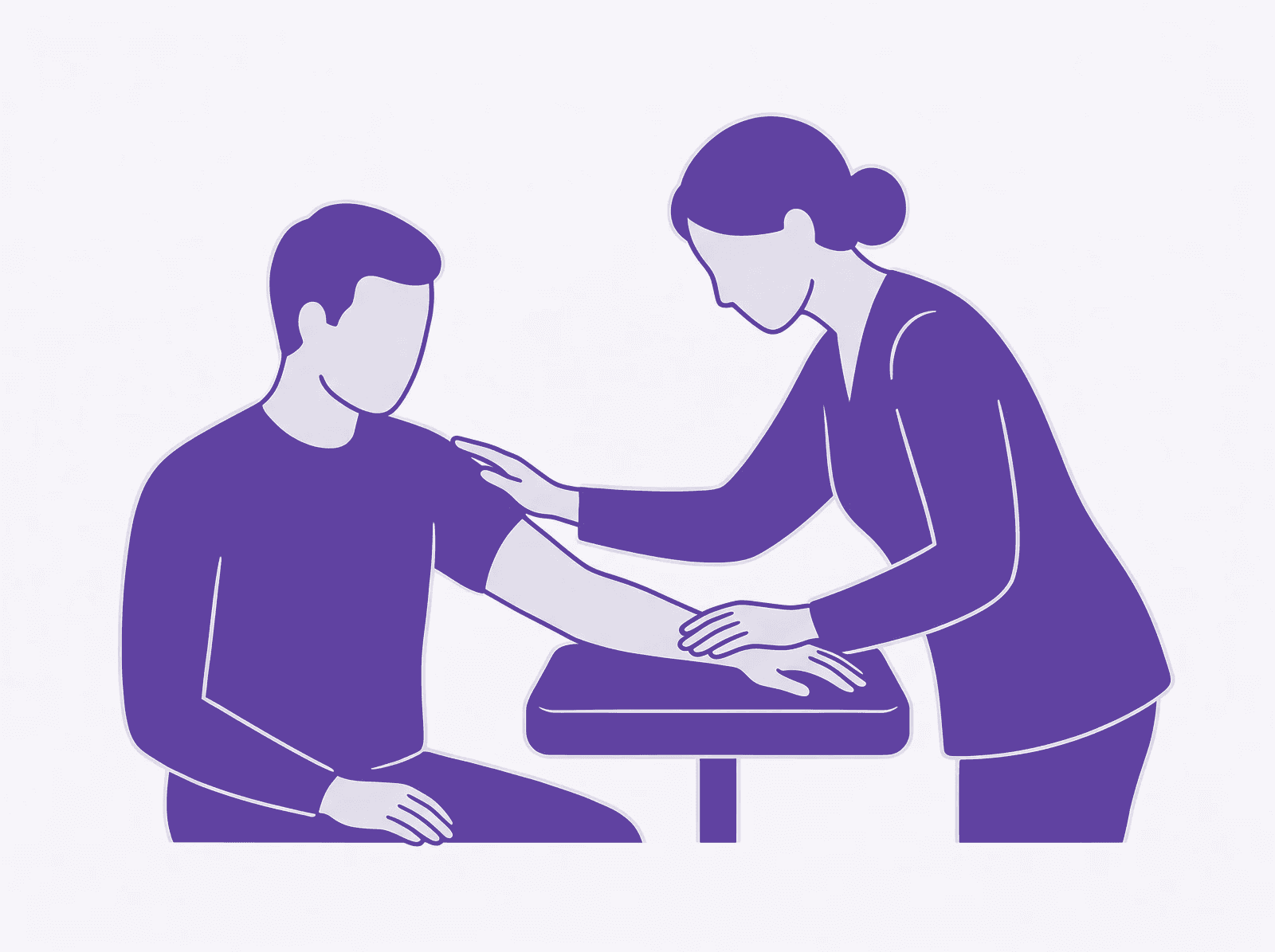
Lymphedema monitoring & prevention
Baseline limb measurements, risk education, and early intervention so swelling is caught before it becomes established lymphedema.
What to expect
The phased timeline
most patients follow.
Honest milestones. Cases vary, but most look something like this. We re-test at every phase so progress is measured, not assumed.
- 01Visit 1
Comprehensive evaluation
We assess strength, mobility, endurance, balance, and fatigue, then build a plan around your treatment history and your goals.
- 02Weeks 1–6
Reconditioning
Gradual, supervised progression of strength and endurance. Most survivors notice meaningful improvements in energy and function in this window.
- 03Weeks 6–12
Return to activity
Building toward the activities that matter to you — work, exercise, caregiving — with the strength and stamina to sustain them.
- 04Maintenance
Independent program
A home program and monitoring plan so the gains continue and any new issues are addressed early.
Why LORC
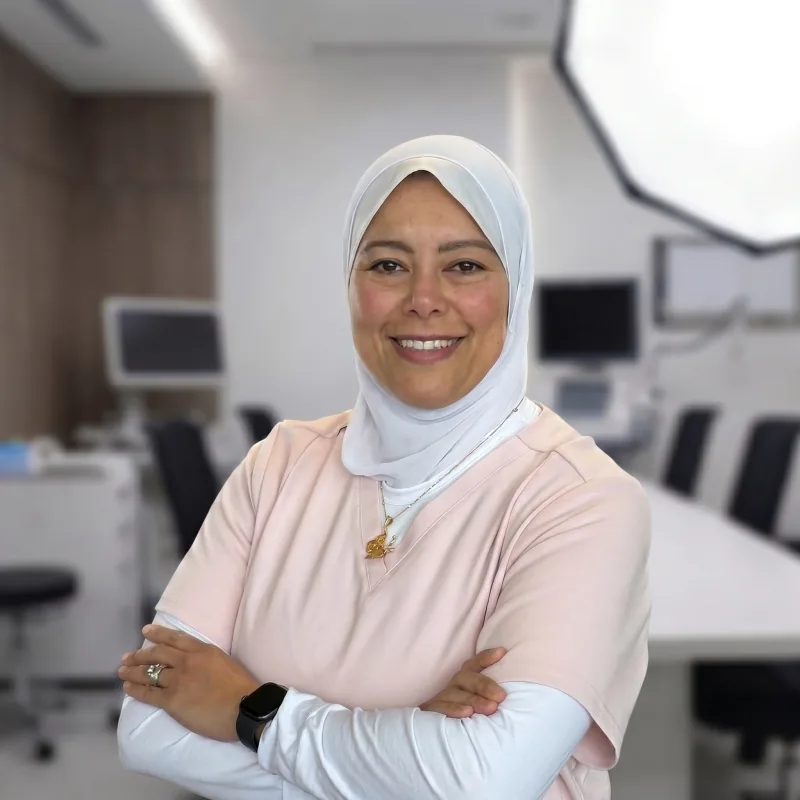
Why Lamiaa Hefni
leads this specialty.
Lamiaa is one of the few CLT-LANA-certified therapists practicing in the southwest Chicago suburbs. The credential — held by roughly one therapist per 100,000 Americans — changes outcomes. That is why patients drive past four or five clinics to see her specifically.
Related services
What patients with this diagnosis
often add to their plan.
Post-Mastectomy Rehab
Breast surgery affects far more than the chest — shoulder motion, scar tissue, cording, and lymphedema risk all follow. We rehabilitate the whole picture so you recover full function, not just incision healing.
Radiation Fibrosis & Scar
Radiation and surgery can leave tissue hardened, tight, and restricted months or years later. Targeted soft-tissue work and scar mobilization soften that tissue and give movement back — even when the treatment is long behind you.
Lymphedema Therapy
Most clinics call themselves lymphedema-friendly. Lamiaa Hefni holds the CLT-LANA — the credential roughly 1 in 100,000 Americans is qualified to carry. That is the difference between learning lymphedema and specializing in it.
Common questions
About oncology rehab
therapy.
For most patients, yes — and current evidence strongly supports it. Supervised, individualized exercise is the most effective treatment for cancer-related fatigue and helps rebuild the strength lost during treatment. We screen for precautions, coordinate with your oncology team, and adjust the program to your blood counts, energy, and stage of recovery.
It can begin at almost any point — during treatment to maintain function, or after treatment to recover it. Earlier is generally better because it limits how much strength and conditioning is lost, but survivors years out from treatment also make meaningful gains. We meet you where you are.
Oncology rehab is delivered as medically necessary physical therapy and is covered by most commercial insurers and Medicare when there are documented functional deficits. We verify your benefits before the first visit and handle the documentation.
Illinois allows direct access for an initial evaluation. We coordinate closely with your oncology team either way, and depending on your plan, ongoing treatment may need a physician's order, which we help arrange.
Get started
Book your
oncology rehab evaluation.
Same-week availability for most new patients. We verify your benefits before your first visit.