
Lymphedema
Manual Lymphatic Drainage
in Orland Park, IL
MLD is a gentle, light-pressure technique that reroutes lymph through healthy pathways. Done by a CLT-LANA therapist it can reduce swelling safely — done with too much pressure it can worsen it. The training is the difference.
Often paired with related care
What we treat
Conditions
seen in this specialty.
We accept these as primary diagnoses. If you're not sure where your case fits, a 60-minute evaluation maps it correctly on day one.
Lymphedema (primary or secondary)
The core indication for MLD — moving fluid out of a swollen limb through unaffected lymphatic routes.
Post-surgical edema
Swelling after cosmetic, orthopedic, or oncologic surgery. Gentle drainage helps the body clear fluid faster.
Post-mastectomy swelling
Early arm or chest-wall fullness after breast surgery, where light-pressure drainage supports recovery and prevents progression.
Chronic venous swelling
Lower-leg heaviness and fluid from venous insufficiency, often combined with compression for lasting effect.
Lipedema-related discomfort
Tenderness and pressure from lipedema tissue, where gentle drainage can ease symptoms as part of a broader plan.
When to see a PT
Signals that
warrant an evaluation.
If you notice any of these patterns — even occasionally — it's worth a sixty-minute assessment to map what's actually going on.
Puffiness or fullness in a limb, hand, or foot
A heavy, achy feeling that worsens through the day
Skin that indents when pressed (pitting)
Swelling after surgery that is slow to resolve
Tightness in an arm or leg after cancer treatment
How we treat it
The clinical playbook
for this specialty.
01—Modality
Lymphatic evaluation & mapping
Before any hands-on work, we assess which lymph nodes and pathways are intact so drainage is directed toward healthy routes — never against them.
Lymphatic evaluation & mapping
02—Modality
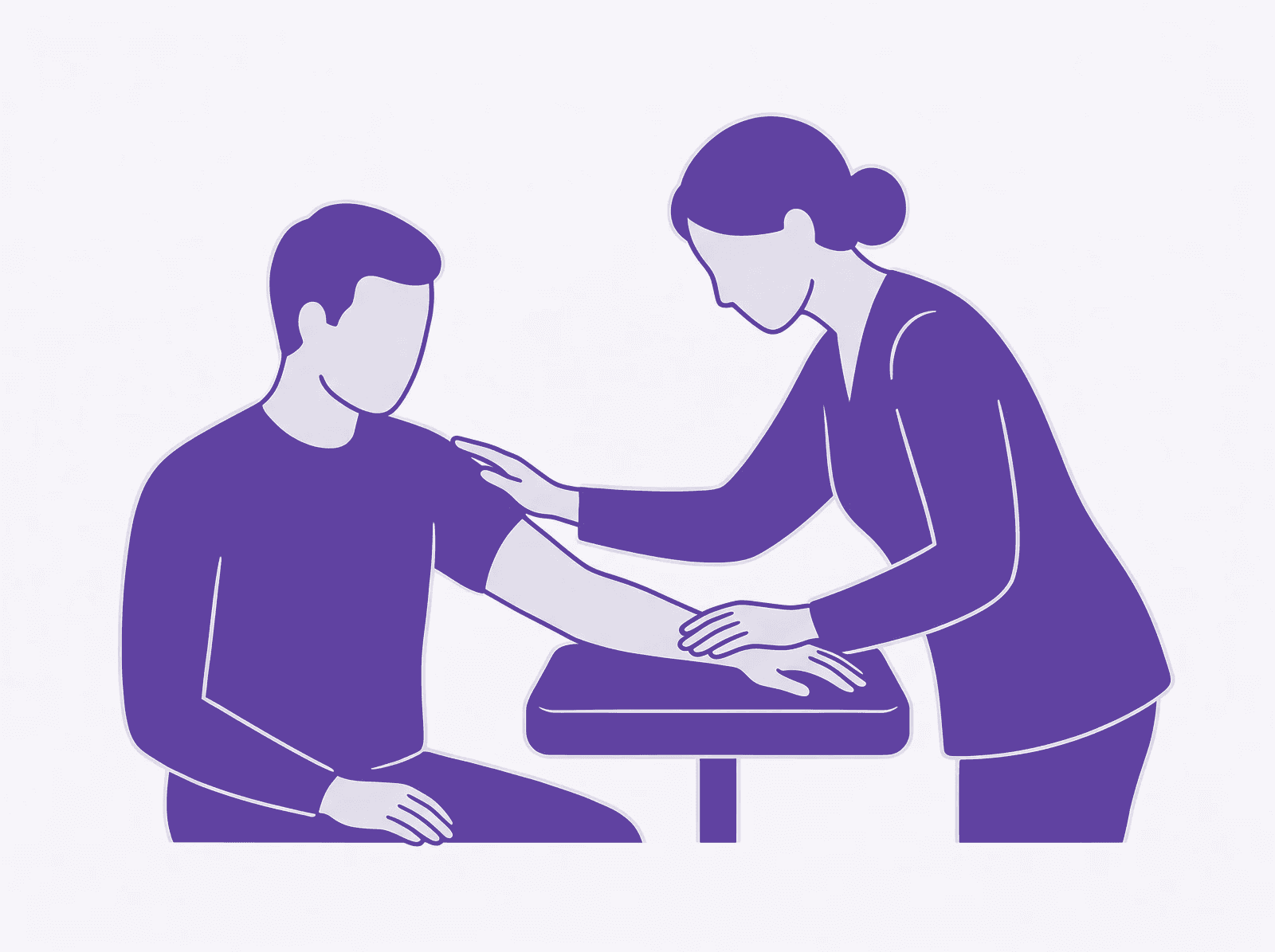
Gentle light-pressure MLD strokes
The signature technique: slow, rhythmic, feather-light strokes measured in grams of pressure. It should feel almost like nothing — that gentleness is exactly what makes it work.
03—Modality
Sequential pathway rerouting
We clear the healthy regions first, then guide fluid from the swollen area into them in sequence. Order matters as much as technique.
Sequential pathway rerouting
04—Modality
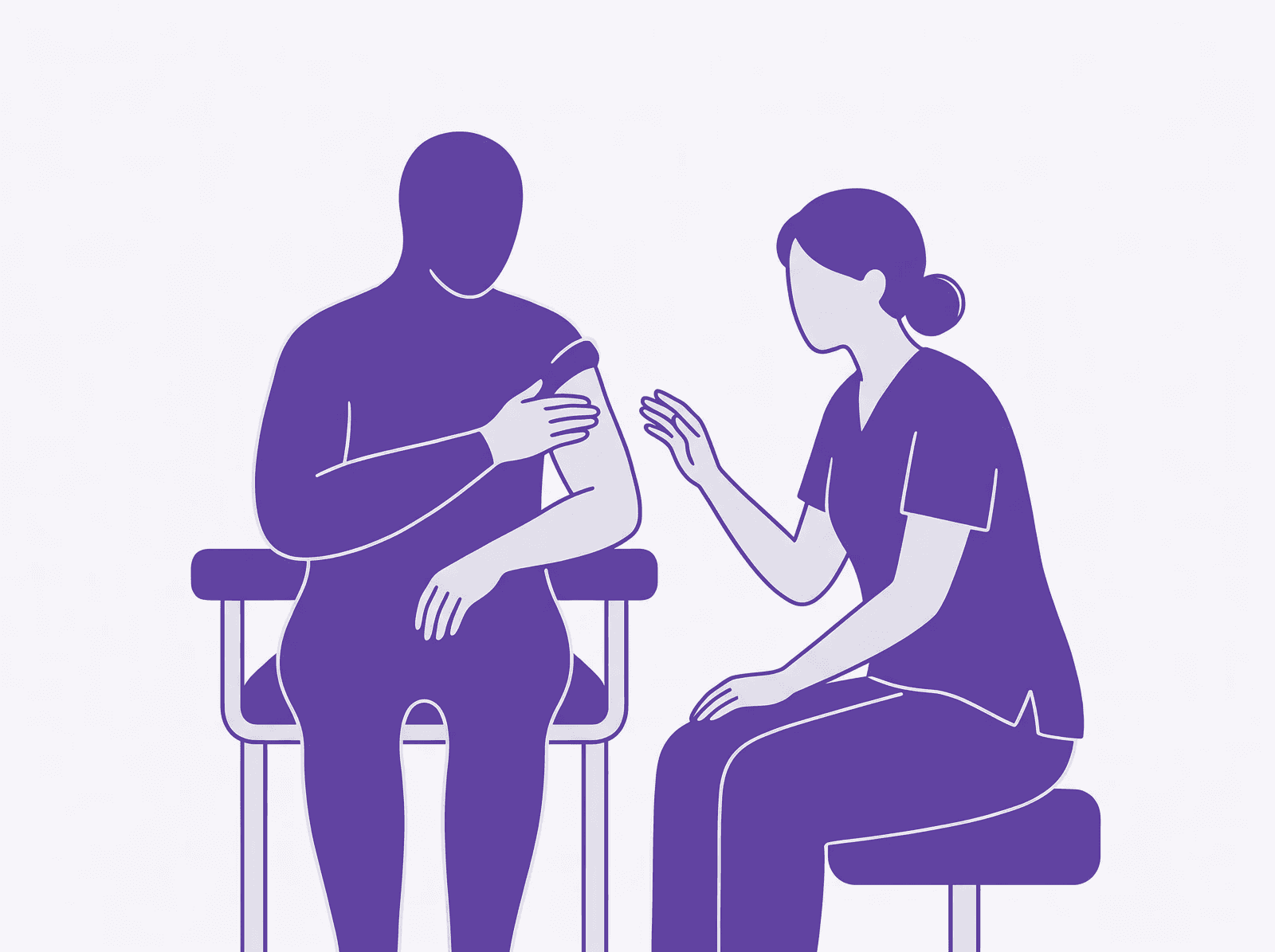
Self-MLD home technique
We teach you a simplified version of the strokes to perform between visits, so the drainage continues at home and the gains hold.
05—Modality
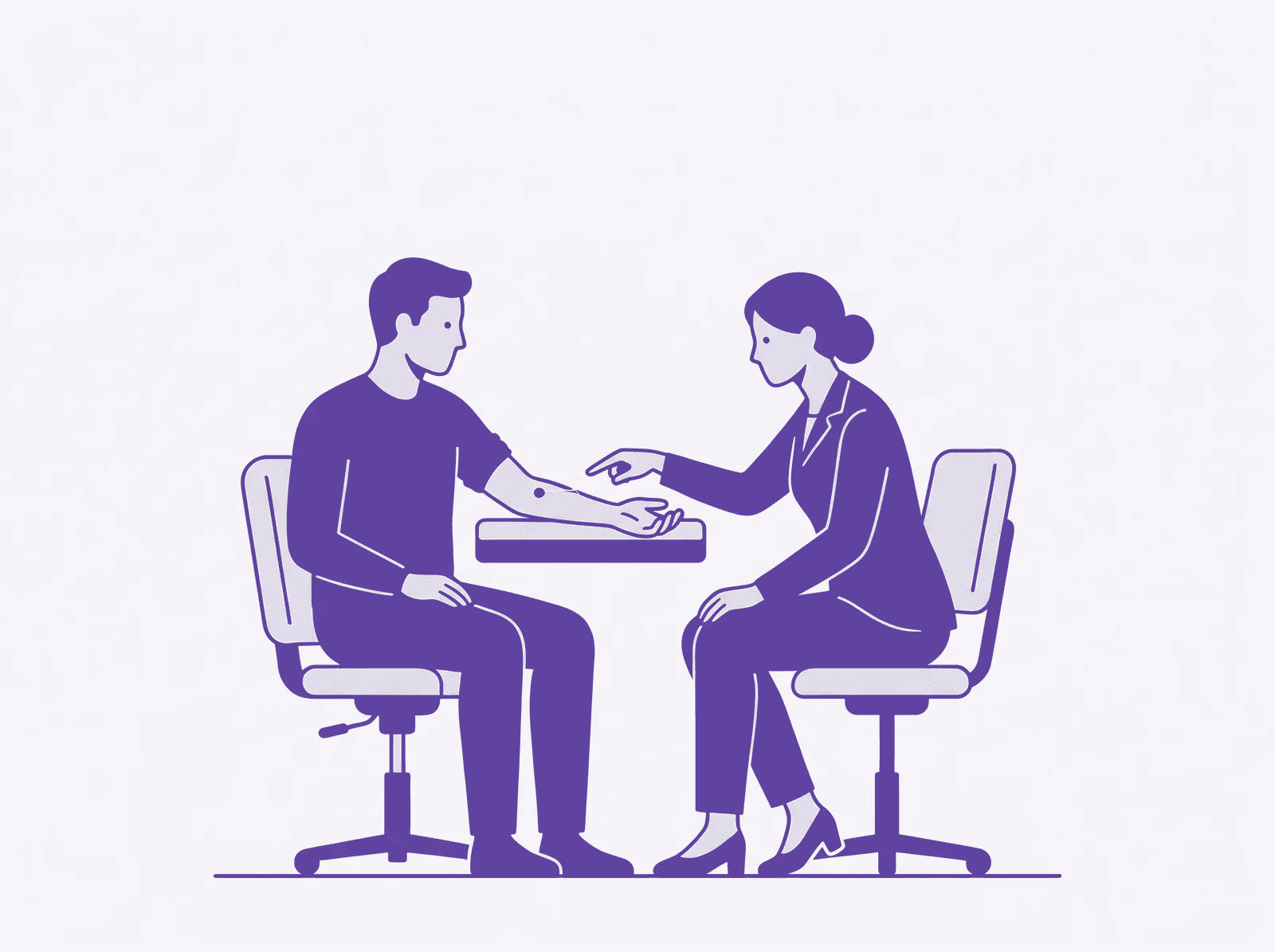
Skin care & precautions
Guidance on protecting fragile tissue and recognizing the early signs of infection — the small habits that keep a drained limb healthy.
What to expect
The phased timeline
most patients follow.
Honest milestones. Cases vary, but most look something like this. We re-test at every phase so progress is measured, not assumed.
- 01Visit 1
Evaluation & first session
We map your lymphatic pathways, take baseline measurements, and begin gentle drainage. Many patients feel lighter after the first session.
- 02Weeks 1–3
Active drainage
Regular MLD sessions, usually paired with compression, produce the most measurable reduction. We re-measure to track it.
- 03Maintenance
Self-directed care
Once swelling stabilizes, you continue self-MLD at home with periodic check-ins to confirm the technique and the results.
Why LORC
Why Lamiaa Hefni
leads this specialty.
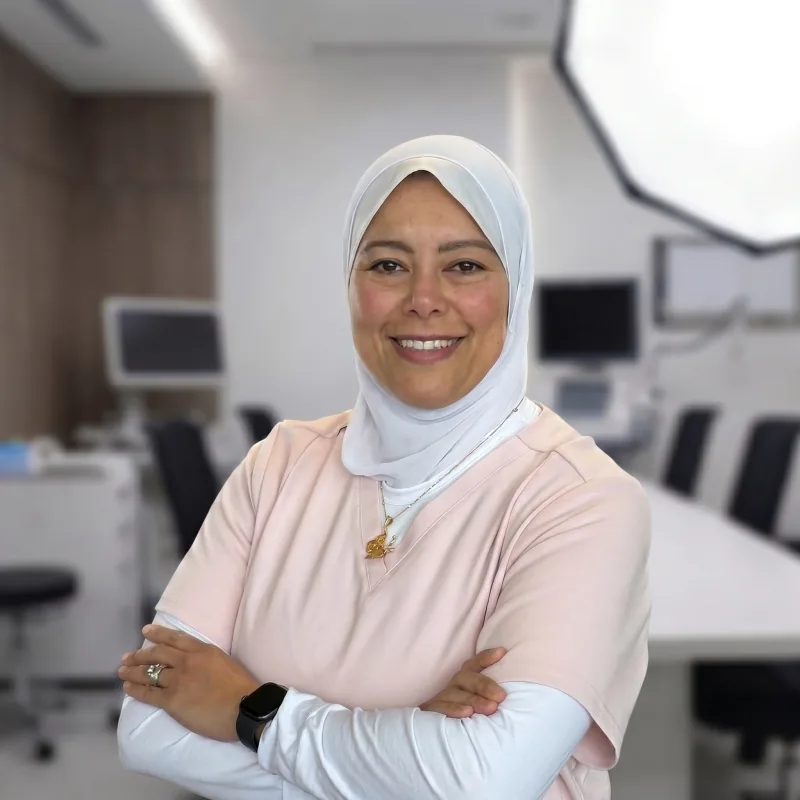
Lamiaa is one of the few CLT-LANA-certified therapists practicing in the southwest Chicago suburbs. The credential — held by roughly one therapist per 100,000 Americans — changes outcomes. That is why patients drive past four or five clinics to see her specifically.
Related services
What patients with this diagnosis
often add to their plan.
Complete Decongestive Therapy
CDT is the international gold standard for lymphedema. Four pillars — manual lymphatic drainage, compression, decongestive exercise, and skin care — delivered together by a CLT-LANA therapist at LORC.
Lymphedema Therapy
Most clinics call themselves lymphedema-friendly. Lamiaa Hefni holds the CLT-LANA — the credential roughly 1 in 100,000 Americans is qualified to carry. That is the difference between learning lymphedema and specializing in it.
Compression Therapy
Compression is what holds a reduction in place. We apply multi-layer short-stretch bandaging during the decongestive phase, then measure and fit the custom garment that keeps the limb stable for daily life.
Common questions
About manual lymphatic drainage
therapy.
No. A standard massage uses firm pressure to work muscle; that pressure can actually overload and damage lymphatic vessels. MLD uses very light, specific strokes designed to move fluid through the lymphatic system. They are different techniques with different goals, which is why MLD requires specialized certification.
It shouldn't. Proper MLD is so gentle that many patients find it relaxing. If a technique feels firm or uncomfortable, it isn't true lymphatic drainage. The light touch is intentional and essential to the result.
Many patients feel a limb is lighter or less tight after the first one or two sessions. Measurable, lasting reduction usually builds over the first few weeks, especially when MLD is combined with compression. We measure at each visit so the change is objective.
Illinois allows direct access for an initial evaluation. Depending on your diagnosis and insurance, ongoing treatment may need physician coordination. We can begin the evaluation and help arrange referrals with your physician when needed.
Get started
Book your
manual lymphatic drainage evaluation.
Same-week availability for most new patients. We verify your benefits before your first visit.