
Lymphedema
Compression Therapy & Bandaging
in Orland Park, IL
Compression is what holds a reduction in place. We apply multi-layer short-stretch bandaging during the decongestive phase, then measure and fit the custom garment that keeps the limb stable for daily life.
Often paired with related care
What we treat
Conditions
seen in this specialty.
We accept these as primary diagnoses. If you're not sure where your case fits, a 60-minute evaluation maps it correctly on day one.
Lymphedema requiring volume control
Limbs that have been reduced and now need consistent compression to keep fluid from returning.
Chronic venous insufficiency
Lower-leg swelling and heaviness where graduated compression supports the veins and reduces pooling.
Post-surgical swelling
Edema after surgery that benefits from controlled, even compression while tissue heals.
Lipedema
Compression garments that ease pressure and discomfort in lipedema-affected limbs as part of a broader plan.
Poorly fitting off-the-shelf garments
When a generic stocking or sleeve hasn't worked, precise measurement and fitting usually explains why.
When to see a PT
Signals that
warrant an evaluation.
If you notice any of these patterns — even occasionally — it's worth a sixty-minute assessment to map what's actually going on.
Swelling that returns whenever you stop wearing a sleeve or stocking
Over-the-counter garments that pinch, roll, or leave deep marks
A limb that feels better in compression and worse without it
Heaviness or aching in the legs by the end of the day
Difficulty getting garments on or off
How we treat it
The clinical playbook
for this specialty.
01—Modality
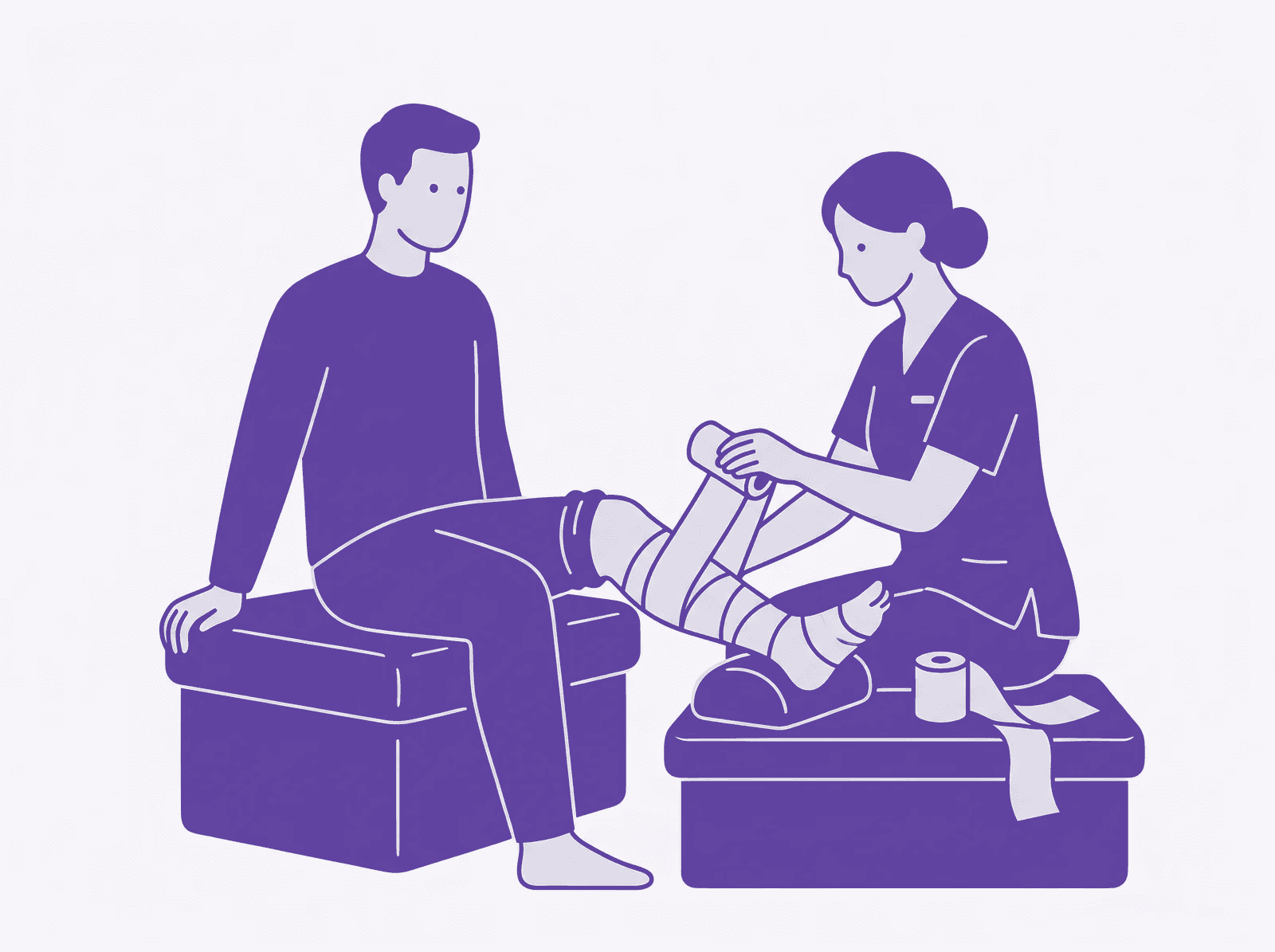
Multi-layer short-stretch bandaging
Layered short-stretch bandages applied during the decongestive phase. The layering distributes pressure evenly and holds the reduction MLD achieves overnight.
02—Modality
Custom garment measurement & fitting
Precise, millimeter-level measurement for a daytime garment, plus a nighttime wrap or garment when indicated. Fit is what makes compression comfortable enough to actually wear.
Custom garment measurement & fitting
03—Modality
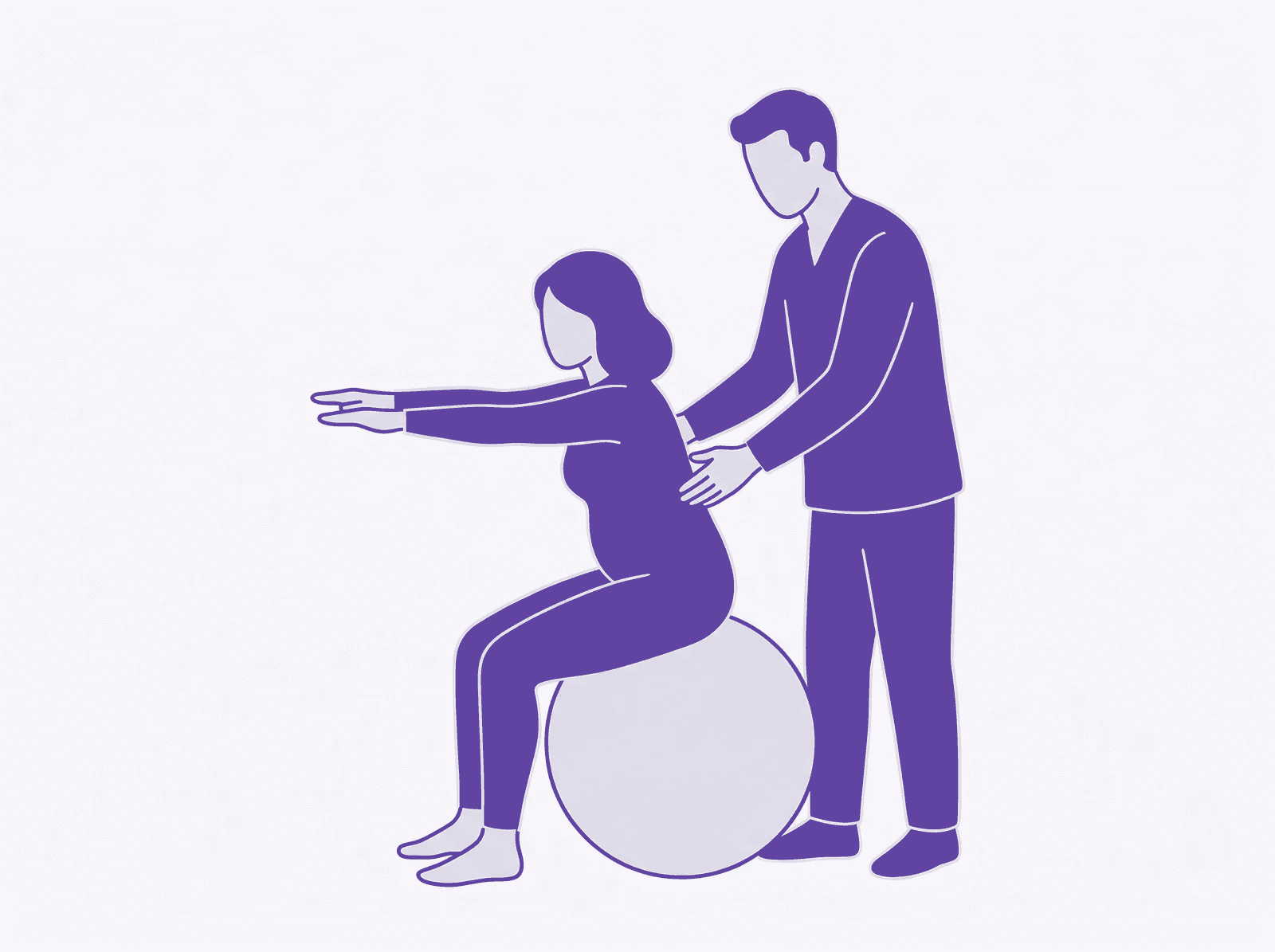
Decongestive exercise in compression
Movement performed inside the bandaging or garment, using muscle contraction as a pump to keep fluid moving while you wear it.
04—Modality
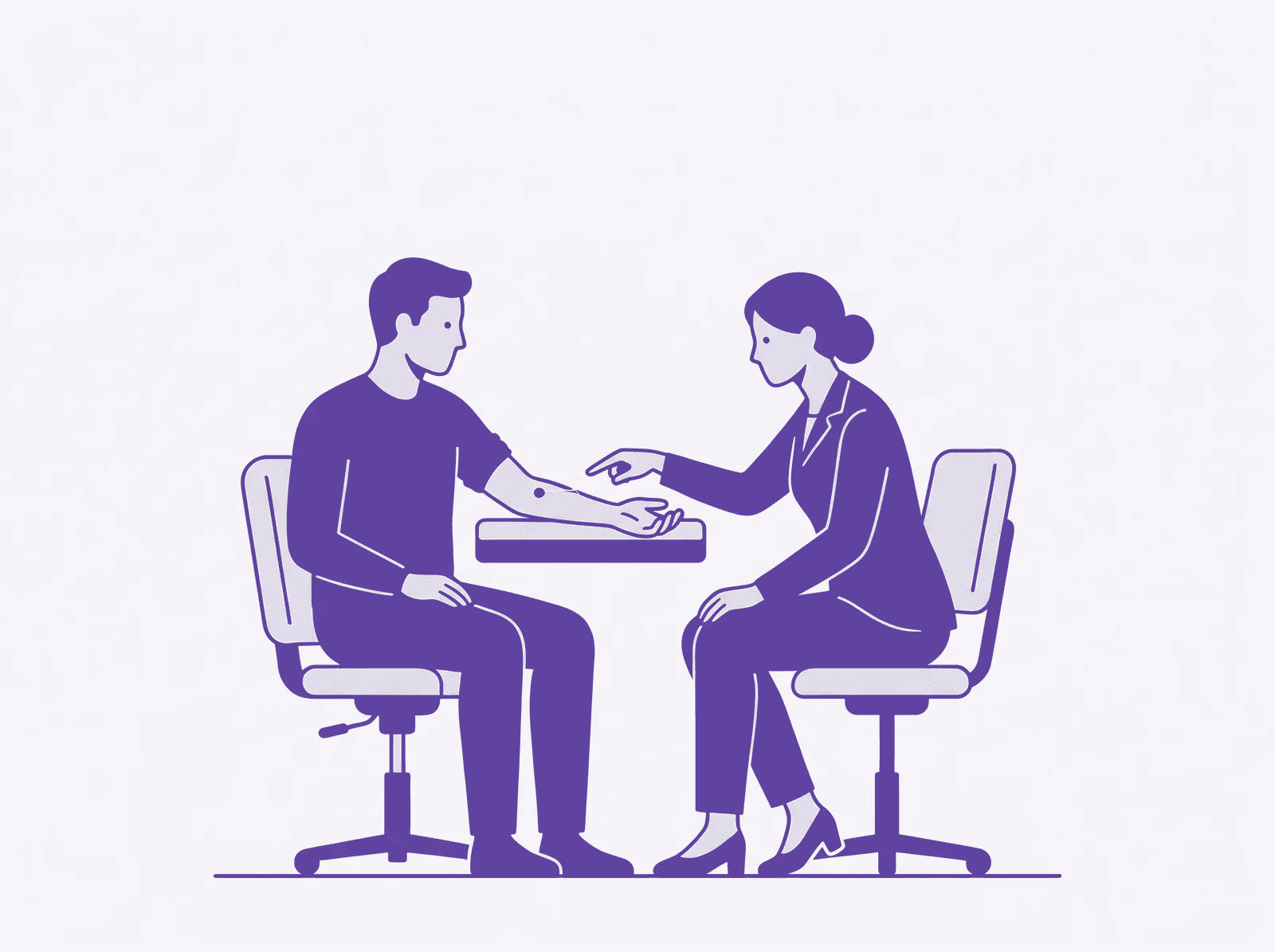
Skin protection & garment care
How to protect the skin under compression, don and doff garments correctly, and care for them so they keep their therapeutic pressure over time.
What to expect
The phased timeline
most patients follow.
Honest milestones. Cases vary, but most look something like this. We re-test at every phase so progress is measured, not assumed.
- 01Phase 1 — Bandaging
Reduction held with short-stretch wraps
During the intensive phase, fresh multi-layer bandaging is applied at each visit to lock in the day's reduction.
- 02Phase 2 — Garment fitting
Custom daytime & nighttime garments
Once volume stabilizes, we measure and fit the garments that maintain the limb day and night, and teach you to use them.
- 03Ongoing
Re-measurement & replacement
Garments lose compression with wear. We re-measure and re-fit on a regular schedule so the pressure stays therapeutic.
Why LORC
Why Lamiaa Hefni
leads this specialty.
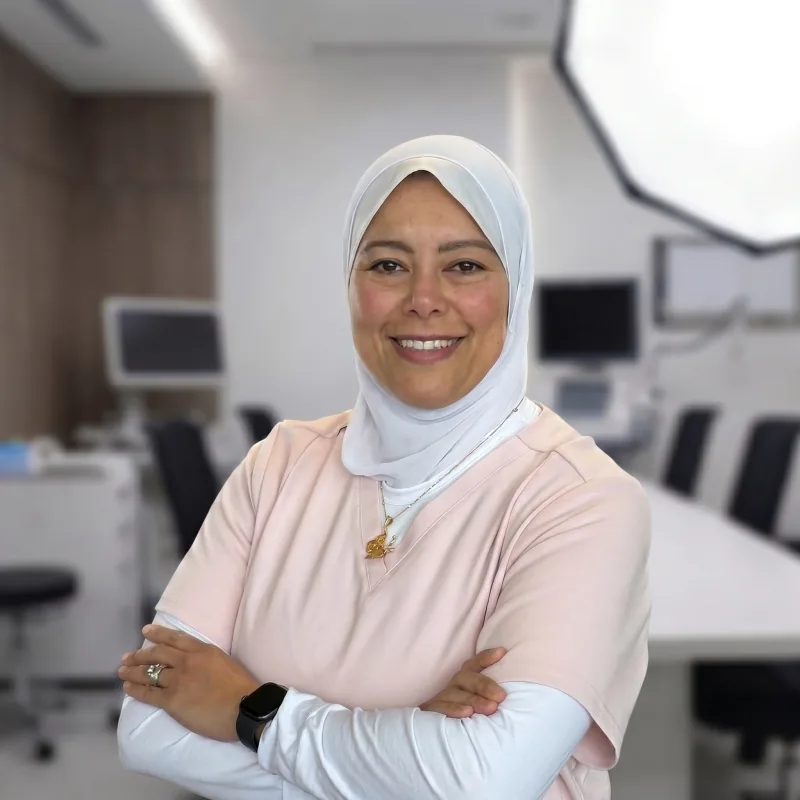
Lamiaa is one of the few CLT-LANA-certified therapists practicing in the southwest Chicago suburbs. The credential — held by roughly one therapist per 100,000 Americans — changes outcomes. That is why patients drive past four or five clinics to see her specifically.
Related services
What patients with this diagnosis
often add to their plan.
Complete Decongestive Therapy
CDT is the international gold standard for lymphedema. Four pillars — manual lymphatic drainage, compression, decongestive exercise, and skin care — delivered together by a CLT-LANA therapist at LORC.
Lymphedema Therapy
Most clinics call themselves lymphedema-friendly. Lamiaa Hefni holds the CLT-LANA — the credential roughly 1 in 100,000 Americans is qualified to carry. That is the difference between learning lymphedema and specializing in it.
Manual Lymphatic Drainage
MLD is a gentle, light-pressure technique that reroutes lymph through healthy pathways. Done by a CLT-LANA therapist it can reduce swelling safely — done with too much pressure it can worsen it. The training is the difference.
Common questions
About compression therapy
therapy.
Off-the-shelf garments come in generic sizes and a fixed compression class. For lymphedema, the wrong pressure or fit can be ineffective or even harmful — a garment that's too tight at the wrist can worsen hand swelling. We measure precisely and select the right class and style so the garment helps rather than hurts.
Most daytime compression garments lose their therapeutic pressure after about four to six months of regular wear. We re-measure and re-fit on that schedule, and sooner if your limb size changes, so you're never wearing a garment that has stopped working.
Coverage for bandaging and garments varies and often follows different rules than the therapy itself. We verify your specific benefits before fitting and explain what's covered and what your responsibility would be.
If a limb is still swollen, bandaging usually comes first because it actively reduces volume — a garment is designed to maintain, not reduce. Fitting a garment over a limb that hasn't been reduced is a common reason compression seems to fail. We sequence it correctly for your situation.
Get started
Book your
compression therapy evaluation.
Same-week availability for most new patients. We verify your benefits before your first visit.