
Lymphedema
Complete Decongestive Therapy
in Orland Park, IL
CDT is the international gold standard for lymphedema. Four pillars — manual lymphatic drainage, compression, decongestive exercise, and skin care — delivered together by a CLT-LANA therapist at LORC.
Often paired with related care
What we treat
Conditions
seen in this specialty.
We accept these as primary diagnoses. If you're not sure where your case fits, a 60-minute evaluation maps it correctly on day one.
Moderate to advanced lymphedema
Limbs with established swelling and tissue change that need an intensive, structured reduction phase — not a single technique.
Breast-cancer-related lymphedema
Arm and chest-wall swelling after node dissection or radiation. CDT reduces volume and protects the limb long-term.
Lower-extremity lymphedema
Leg and foot swelling from primary lymphedema, pelvic surgery, or chronic venous disease. Multi-layer bandaging holds the reduction.
Lipedema with secondary lymphedema
When lipedema progresses to involve the lymphatic system, the decongestive phase relieves pressure and pain.
Lymphedema with skin changes
Fibrosis, hardening, or hyperkeratosis. The combined approach softens tissue while protecting fragile skin.
When to see a PT
Signals that
warrant an evaluation.
If you notice any of these patterns — even occasionally — it's worth a sixty-minute assessment to map what's actually going on.
Swelling that no longer responds to elevation alone
A limb that feels heavier or tighter as the day goes on
Skin that has begun to harden, pit, or thicken
Garments or sleeves that suddenly fit differently
Repeated infections in the affected limb
How we treat it
The clinical playbook
for this specialty.
01—Modality
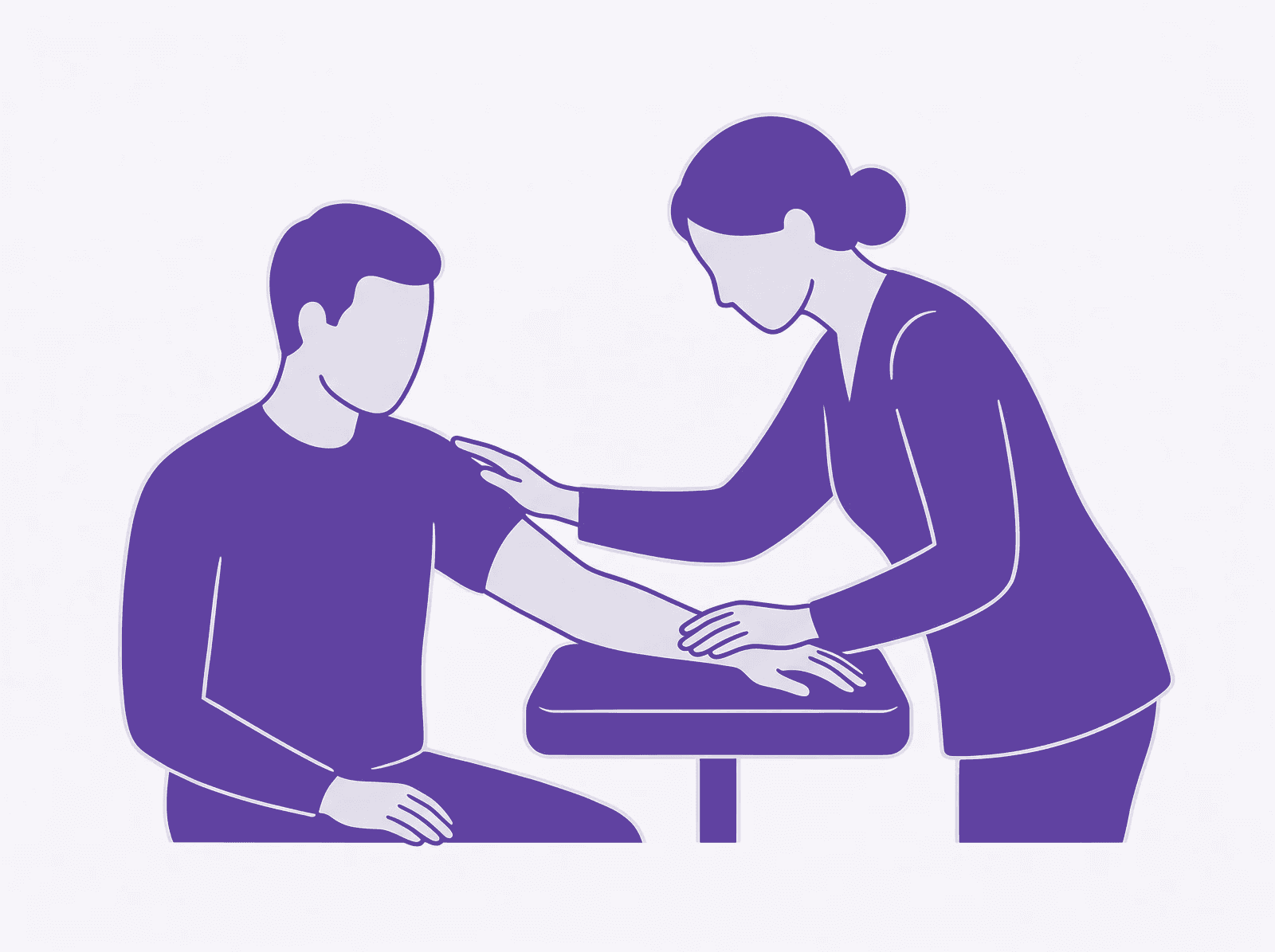
Manual Lymphatic Drainage (Pillar 1)
A precise, light-pressure technique that opens healthy lymphatic pathways and reroutes fluid away from the swollen region. The hands-on foundation of every CDT plan.
02—Modality
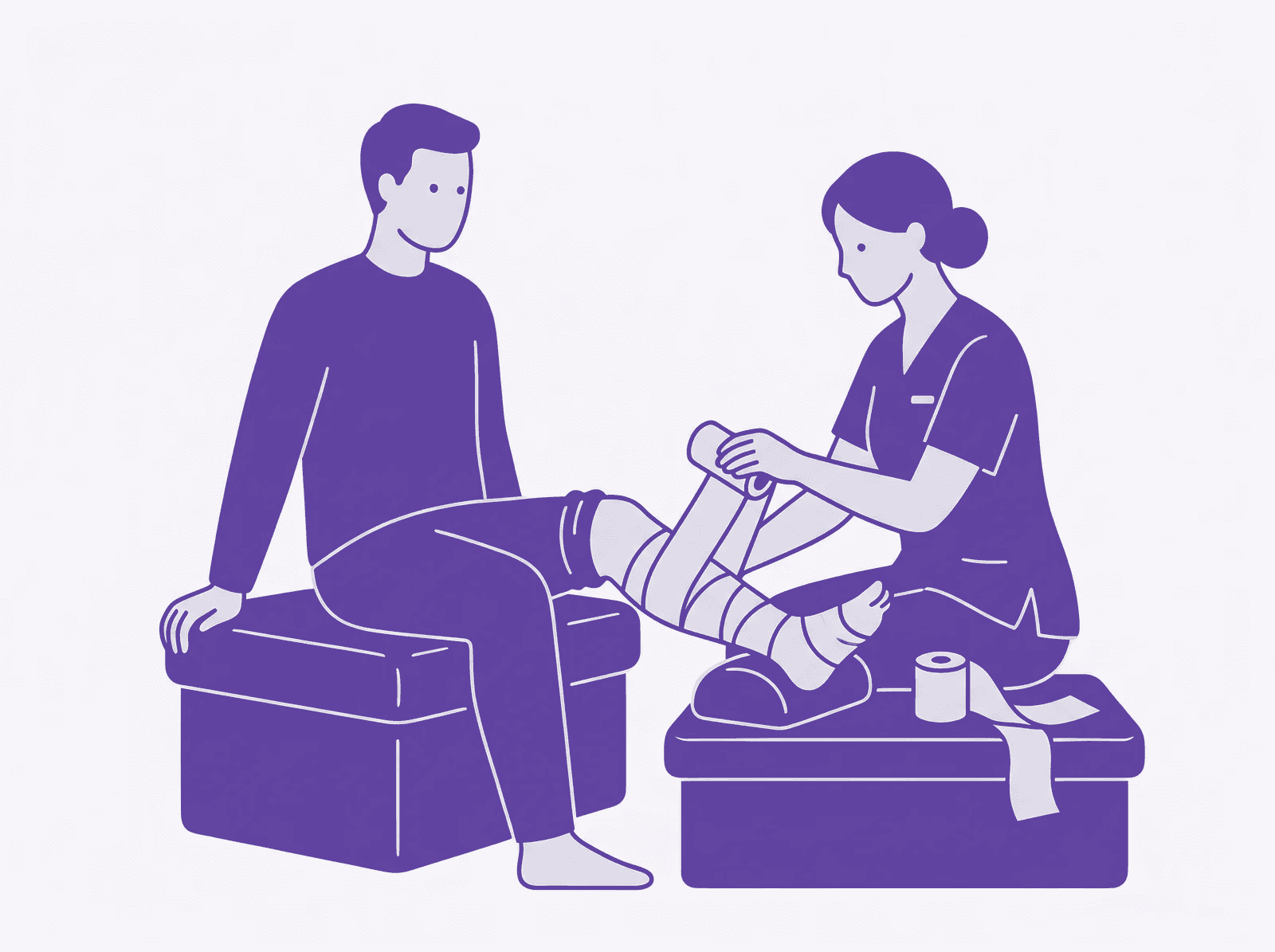
Multi-Layer Compression Bandaging (Pillar 2)
Short-stretch bandages layered to distribute pressure evenly across the limb. This holds the reduction MLD achieves and prevents fluid from returning overnight.
03—Modality
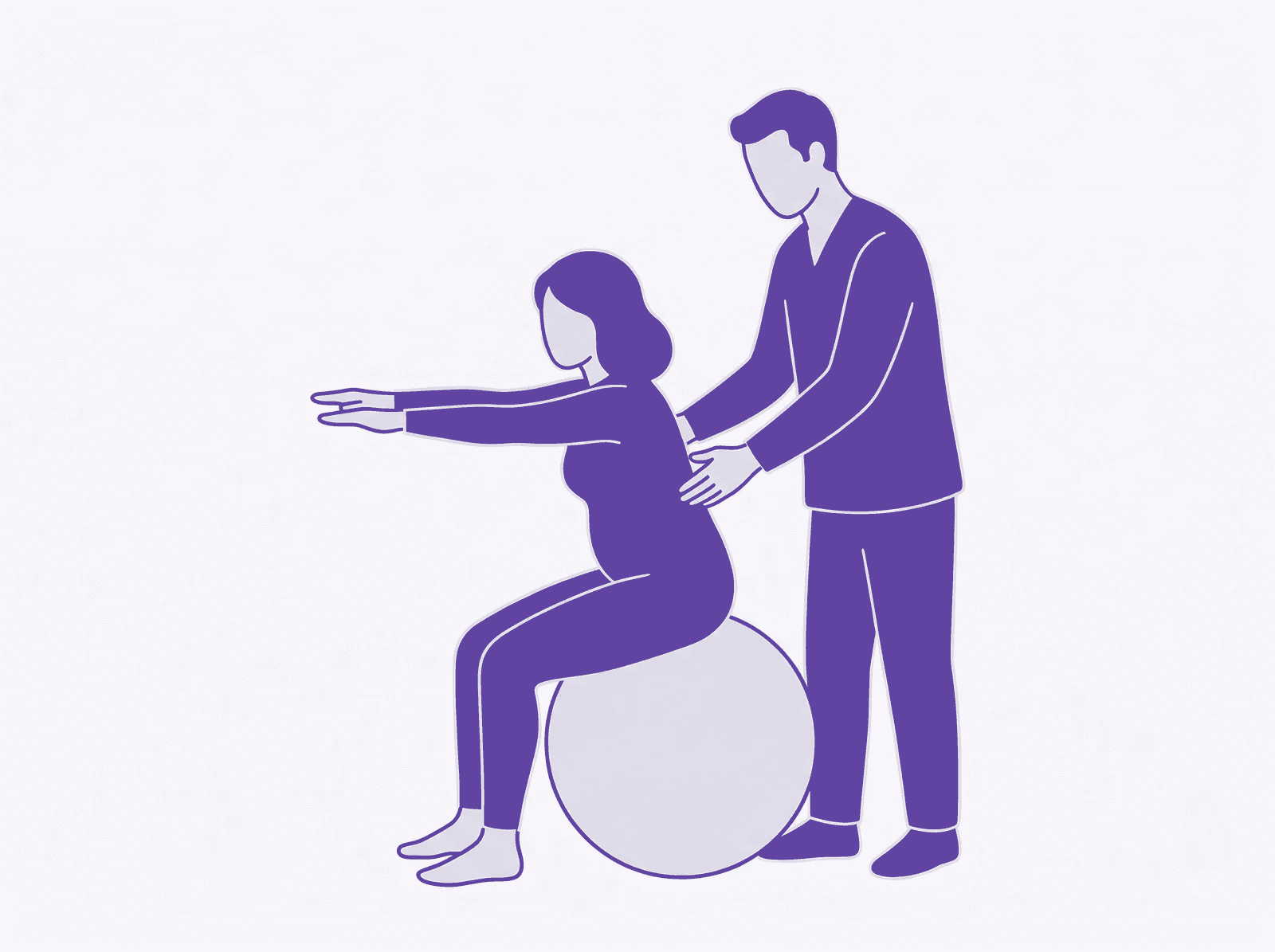
Decongestive Exercise (Pillar 3)
Movement sequences performed inside the compression that use muscle contraction as a pump. A short daily routine you continue at home throughout treatment.
04—Modality
Skin & Nail Care (Pillar 4)
A daily hygiene protocol that keeps fragile, infection-prone tissue intact. Preventing cellulitis is how the gains from the reduction phase are protected.

What to expect
The phased timeline
most patients follow.
Honest milestones. Cases vary, but most look something like this. We re-test at every phase so progress is measured, not assumed.
- 01Phase 1 — Intensive reduction
2–4 weeks of frequent visits
Daily or near-daily MLD plus fresh bandaging. Limb measurements at every visit document the reduction objectively.
- 02Phase 2 — Transition
Garment fitting & home routine
Once volume stabilizes, we move you into a custom-fitted garment and a home program of self-MLD, exercise, and skin care.
- 03Maintenance
Independent management
You leave able to maintain the reduction at home, with periodic re-measurement and re-fitting to keep the plan accurate.
Why LORC
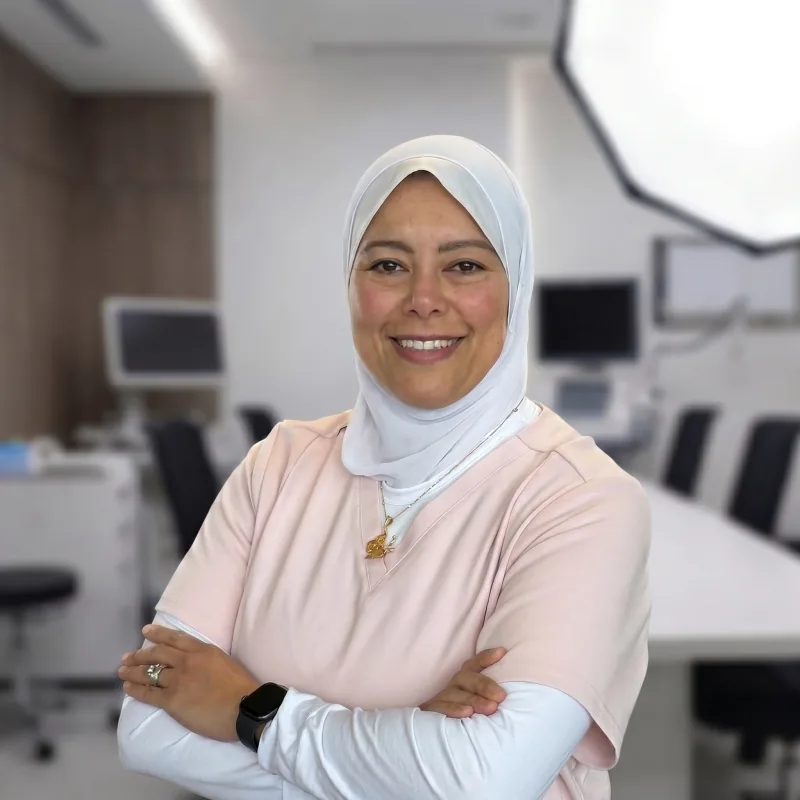
Why Lamiaa Hefni
leads this specialty.
Lamiaa is one of the few CLT-LANA-certified therapists practicing in the southwest Chicago suburbs. The credential — held by roughly one therapist per 100,000 Americans — changes outcomes. That is why patients drive past four or five clinics to see her specifically.
Related services
What patients with this diagnosis
often add to their plan.
Lymphedema Therapy
Most clinics call themselves lymphedema-friendly. Lamiaa Hefni holds the CLT-LANA — the credential roughly 1 in 100,000 Americans is qualified to carry. That is the difference between learning lymphedema and specializing in it.
Manual Lymphatic Drainage
MLD is a gentle, light-pressure technique that reroutes lymph through healthy pathways. Done by a CLT-LANA therapist it can reduce swelling safely — done with too much pressure it can worsen it. The training is the difference.
Compression Therapy
Compression is what holds a reduction in place. We apply multi-layer short-stretch bandaging during the decongestive phase, then measure and fit the custom garment that keeps the limb stable for daily life.
Common questions
About complete decongestive therapy
therapy.
A garment alone maintains a limb — it doesn't reduce one. CDT is the structured program that brings a swollen limb down first, using manual lymphatic drainage and multi-layer bandaging, and only then fits a garment to hold the result. Skipping the reduction phase is the most common reason garments seem not to work.
Most patients attend daily or near-daily for two to four weeks during the reduction phase, depending on how much swelling is present and how the tissue responds. We give you a realistic estimate at evaluation and re-measure at every visit so you can see the progress.
Most major insurers cover medically necessary Complete Decongestive Therapy when prescribed by a physician. We verify your benefits before the first visit and explain coverage for the therapy and for bandages and garments, which sometimes follow separate rules.
Illinois allows direct access for an initial evaluation, but CDT usually involves physician coordination and ongoing treatment may need a referral depending on your plan. We can start the evaluation either way and coordinate with your oncologist or primary care provider.
Get started
Book your
complete decongestive therapy evaluation.
Same-week availability for most new patients. We verify your benefits before your first visit.