
Surgical
Wound Care & Skin Integrity
in Orland Park, IL
Chronic wounds tied to swelling and poor circulation rarely heal until the underlying problem is addressed. Our Certified Wound Therapist treats the wound and the lymphatic or vascular condition driving it — together.
Often paired with related care
What we treat
Conditions
seen in this specialty.
We accept these as primary diagnoses. If you're not sure where your case fits, a 60-minute evaluation maps it correctly on day one.
Venous leg ulcers
Slow-healing lower-leg wounds driven by venous insufficiency, where compression and edema control are central to closure.
Lymphedema-related wounds
Skin breakdown and weeping in chronically swollen limbs, treated alongside the lymphedema itself.
Chronic non-healing wounds
Wounds that have stalled for weeks or months and need the underlying cause addressed, not just dressed.
Post-surgical wound complications
Incisions that are slow to close or complicated by swelling and poor perfusion.
Fragile or compromised skin
At-risk skin in swollen, irradiated, or vascular limbs that needs protective care to prevent breakdown.
When to see a PT
Signals that
warrant an evaluation.
If you notice any of these patterns — even occasionally — it's worth a sixty-minute assessment to map what's actually going on.
A wound that hasn't healed after several weeks
Drainage, weeping, or skin breakdown on a swollen limb
Recurring sores in the same area
Redness, warmth, or signs of infection
Thin, fragile, or discolored skin on the legs
How we treat it
The clinical playbook
for this specialty.
01—Modality
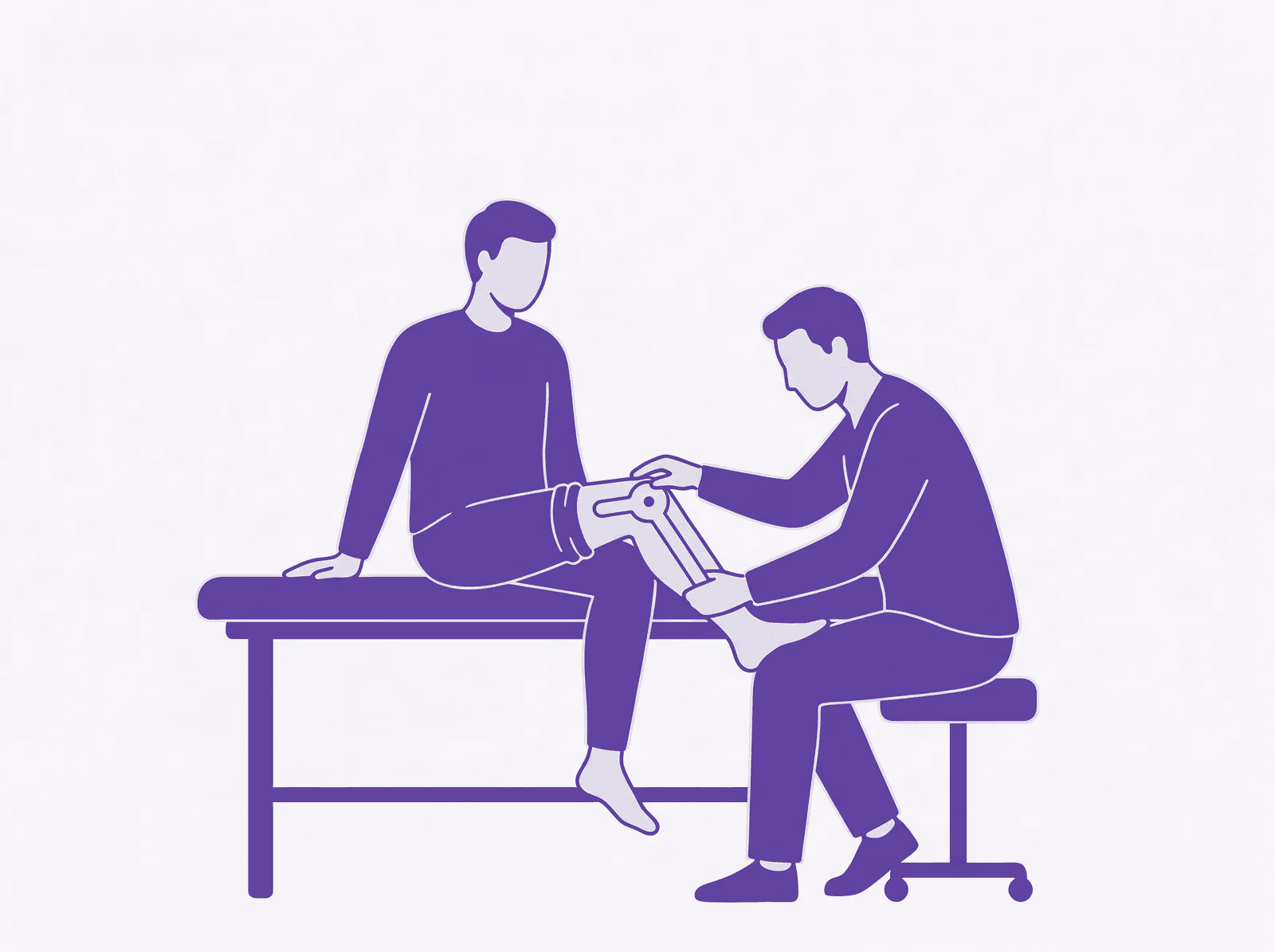
Wound assessment & care planning
A thorough evaluation of the wound and the underlying condition driving it, so the plan treats the cause and not only the surface.
02—Modality
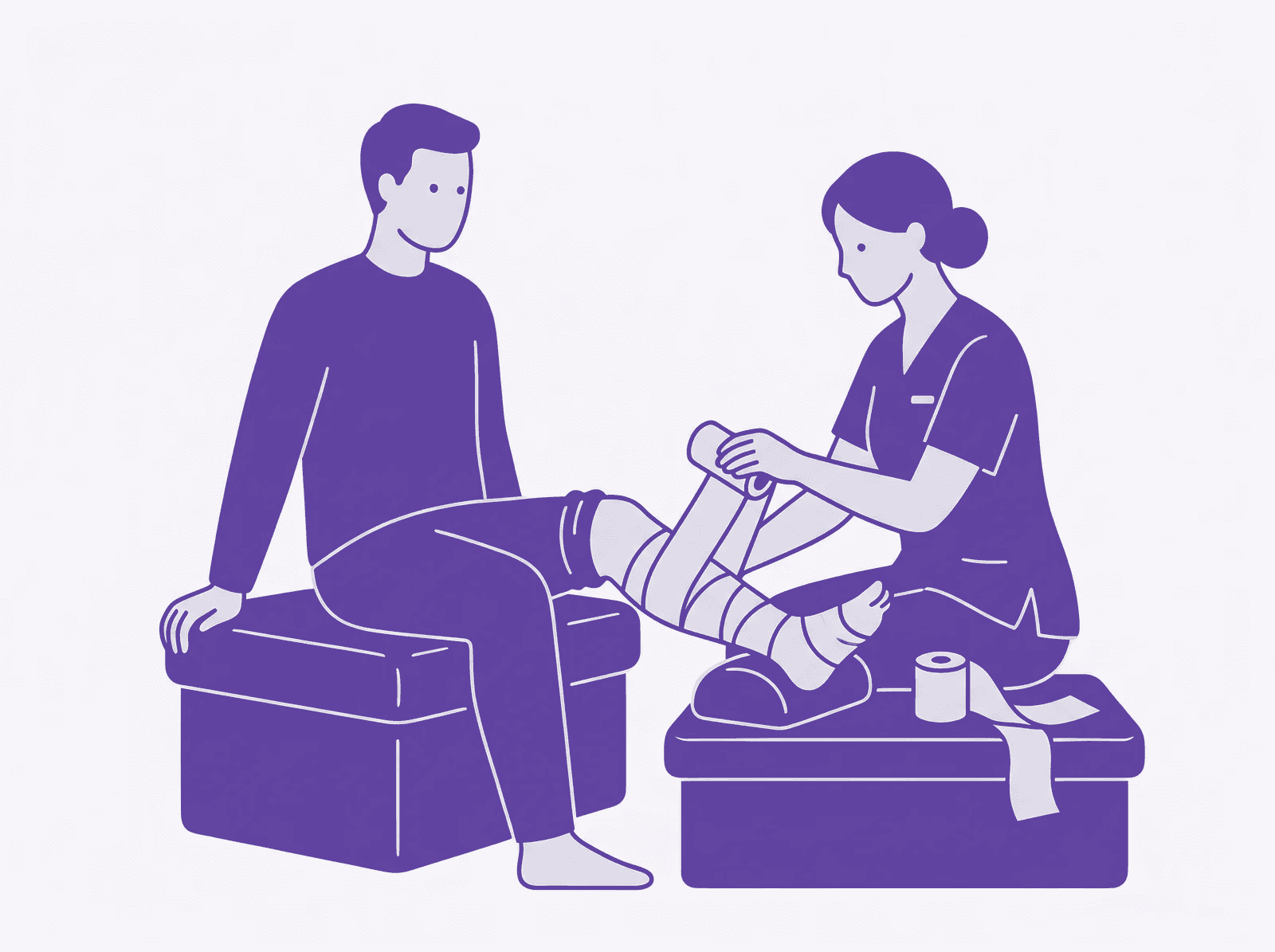
Compression for venous & lymphatic wounds
Multi-layer compression to control the swelling and venous pressure that keep many lower-leg wounds from closing.
03—Modality
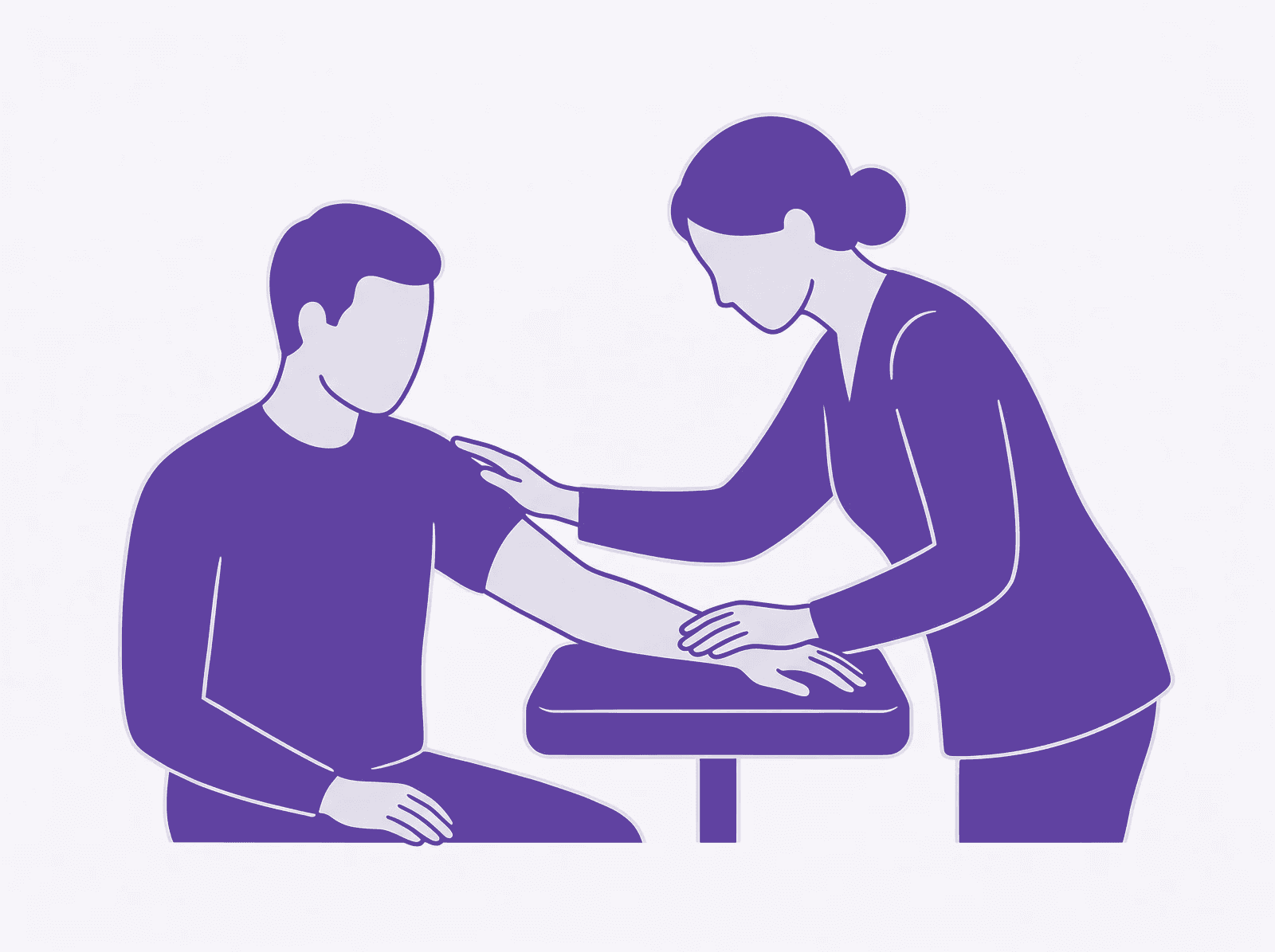
Manual lymphatic drainage
Gentle drainage to reduce the edema surrounding a wound, improving the local environment so tissue can heal.
04—Modality
Skin integrity & infection prevention
Protective skin care and daily-routine education that keeps fragile tissue intact and heads off the infections that derail healing.

05—Modality
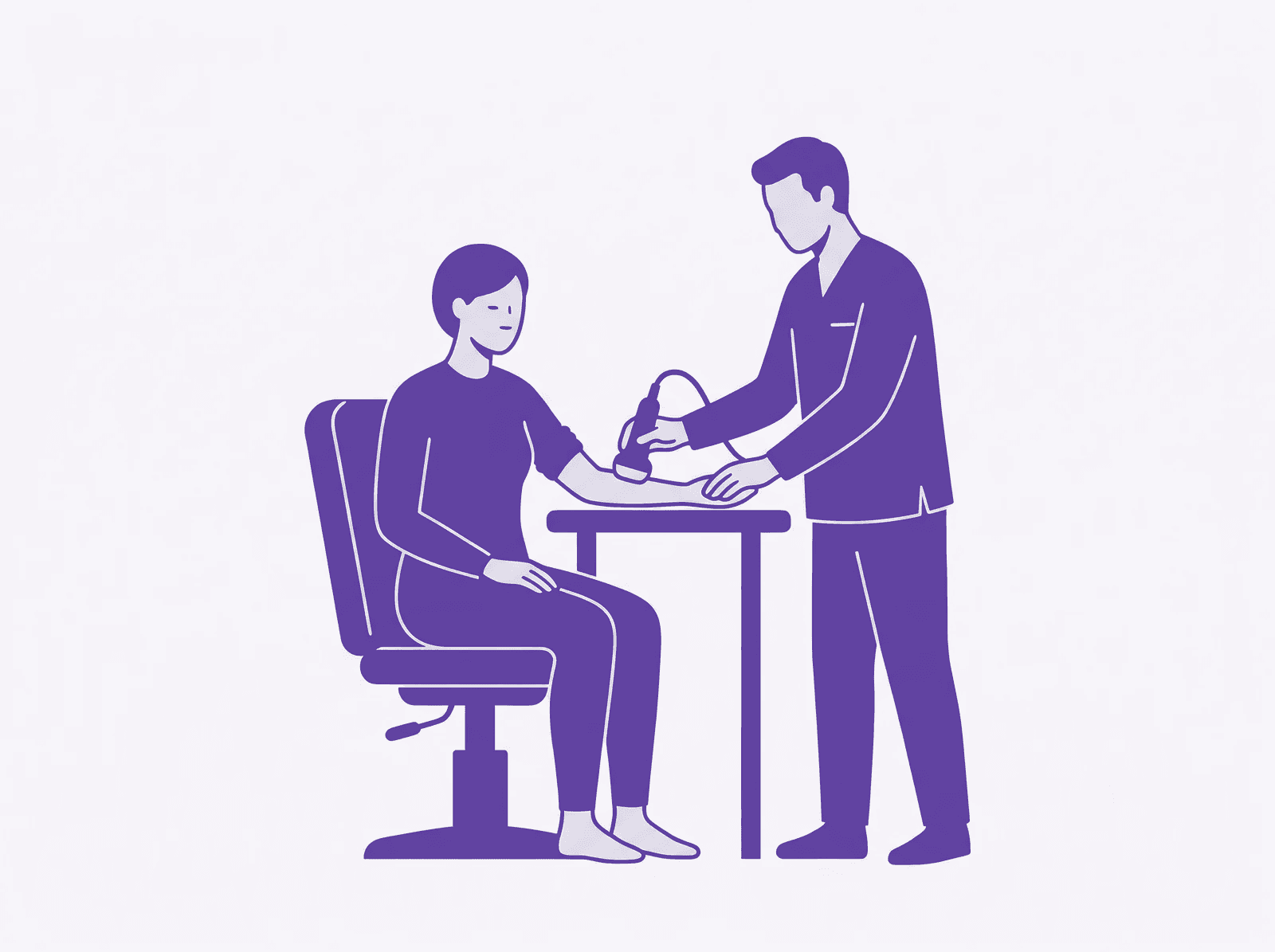
Therapeutic modalities
Adjunct modalities used when appropriate to support circulation and the healing response around a stalled wound.
What to expect
The phased timeline
most patients follow.
Honest milestones. Cases vary, but most look something like this. We re-test at every phase so progress is measured, not assumed.
- 01Visit 1
Evaluation
We assess the wound, the surrounding skin, and the lymphatic or vascular condition behind it, then build an integrated plan.
- 02Active care
Edema control & healing
Compression, drainage, and skin care work together to reduce swelling and create the conditions a wound needs to close.
- 03Closure
Wound resolution
As the wound heals, we continue managing the underlying swelling so it stays closed.
- 04Prevention
Long-term skin protection
A maintenance plan of compression, skin care, and monitoring to prevent recurrence.
Why LORC
Why Lamiaa Hefni
leads this specialty.
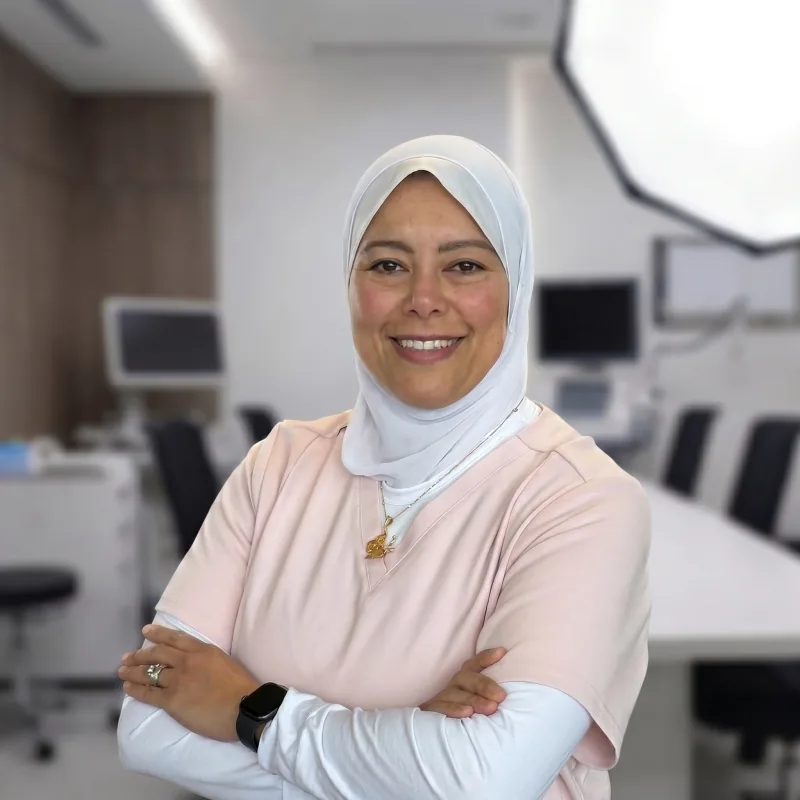
Lamiaa Hefni is a Certified Wound Therapist (CWT) as well as a CLT-LANA lymphedema specialist — an uncommon combination. At LORC in Orland Park, that means a wound complicated by swelling is treated by one clinician who manages both the wound and the lymphatic congestion feeding it, rather than two providers working in isolation.
Related services
What patients with this diagnosis
often add to their plan.
Compression Therapy
Compression is what holds a reduction in place. We apply multi-layer short-stretch bandaging during the decongestive phase, then measure and fit the custom garment that keeps the limb stable for daily life.
Lymphedema Therapy
Most clinics call themselves lymphedema-friendly. Lamiaa Hefni holds the CLT-LANA — the credential roughly 1 in 100,000 Americans is qualified to carry. That is the difference between learning lymphedema and specializing in it.
Post-Plastic-Surgery Recovery
Swelling is the bottleneck in cosmetic-surgery recovery. Manual lymphatic drainage helps your body clear post-surgical edema faster — easing discomfort, improving mobility, and supporting the result you and your surgeon are after.
Common questions
About wound care
therapy.
Chronic wounds usually persist because of an underlying problem — most often swelling, venous insufficiency, or poor circulation — that keeps the tissue from closing. Treating only the wound surface rarely works. We address the cause, which for many lower-leg wounds means controlling edema with compression and lymphatic drainage.
A CWT has specialized training in the assessment and management of complex and chronic wounds. Because Lamiaa is also a CLT-LANA lymphedema specialist, wounds complicated by swelling are managed by one clinician who treats both the wound and the lymphatic congestion feeding it.
Wound care for a documented medical condition is typically covered by most commercial insurers and Medicare. We verify your specific benefits before treatment and coordinate with your physician on the plan of care.
Illinois allows direct access for an initial evaluation, though complex wounds usually involve physician coordination and your plan may require a referral for ongoing care. We can begin the evaluation and help arrange the right coordination with your physician.
Get started
Book your
wound care evaluation.
Same-week availability for most new patients. We verify your benefits before your first visit.