
Surgical
Surgical Pre-Hab Program
in Orland Park, IL
The stronger you go into surgery, the better you come out of it. Pre-hab conditions your body before your procedure — building strength, mobility, and stamina that translate directly into a faster, smoother recovery.
Often paired with related care
What we treat
Conditions
seen in this specialty.
We accept these as primary diagnoses. If you're not sure where your case fits, a 60-minute evaluation maps it correctly on day one.
Upcoming joint replacement
Knee or hip replacement recovery starts faster when strength and motion are built up beforehand.
Planned oncologic surgery
Conditioning before cancer surgery to enter the procedure as strong and resilient as possible.
Scheduled reconstructive or plastic surgery
Preparing the body and tissues before reconstruction so post-operative recovery is smoother.
Abdominal or pelvic surgery
Core conditioning and mobility work that support recovery after major abdominal or pelvic procedures.
Deconditioning before surgery
Patients who are weak or sedentary before a procedure face harder recoveries — pre-hab closes that gap.
When to see a PT
Signals that
warrant an evaluation.
If you notice any of these patterns — even occasionally — it's worth a sixty-minute assessment to map what's actually going on.
A surgery on the calendar and a desire to recover faster
Feeling weak, stiff, or out of shape going into a procedure
Worry about complications or a long recovery
A surgeon who recommended building strength first
A previous surgery with a slow, difficult recovery
How we treat it
The clinical playbook
for this specialty.
01—Modality
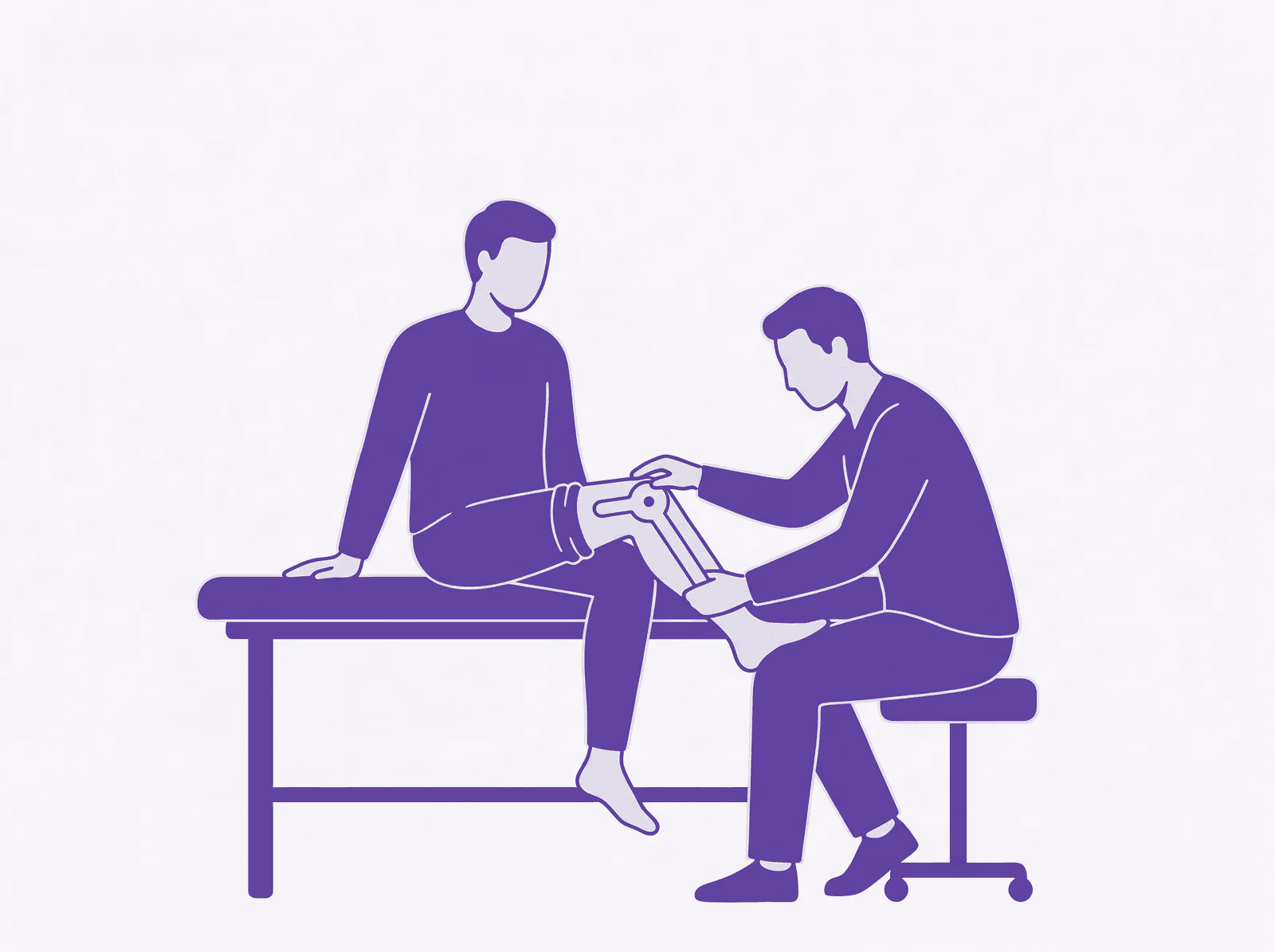
Pre-op evaluation & baseline
A thorough assessment of strength, motion, balance, and conditioning to set baselines and target the areas your surgery will tax most.
02—Modality
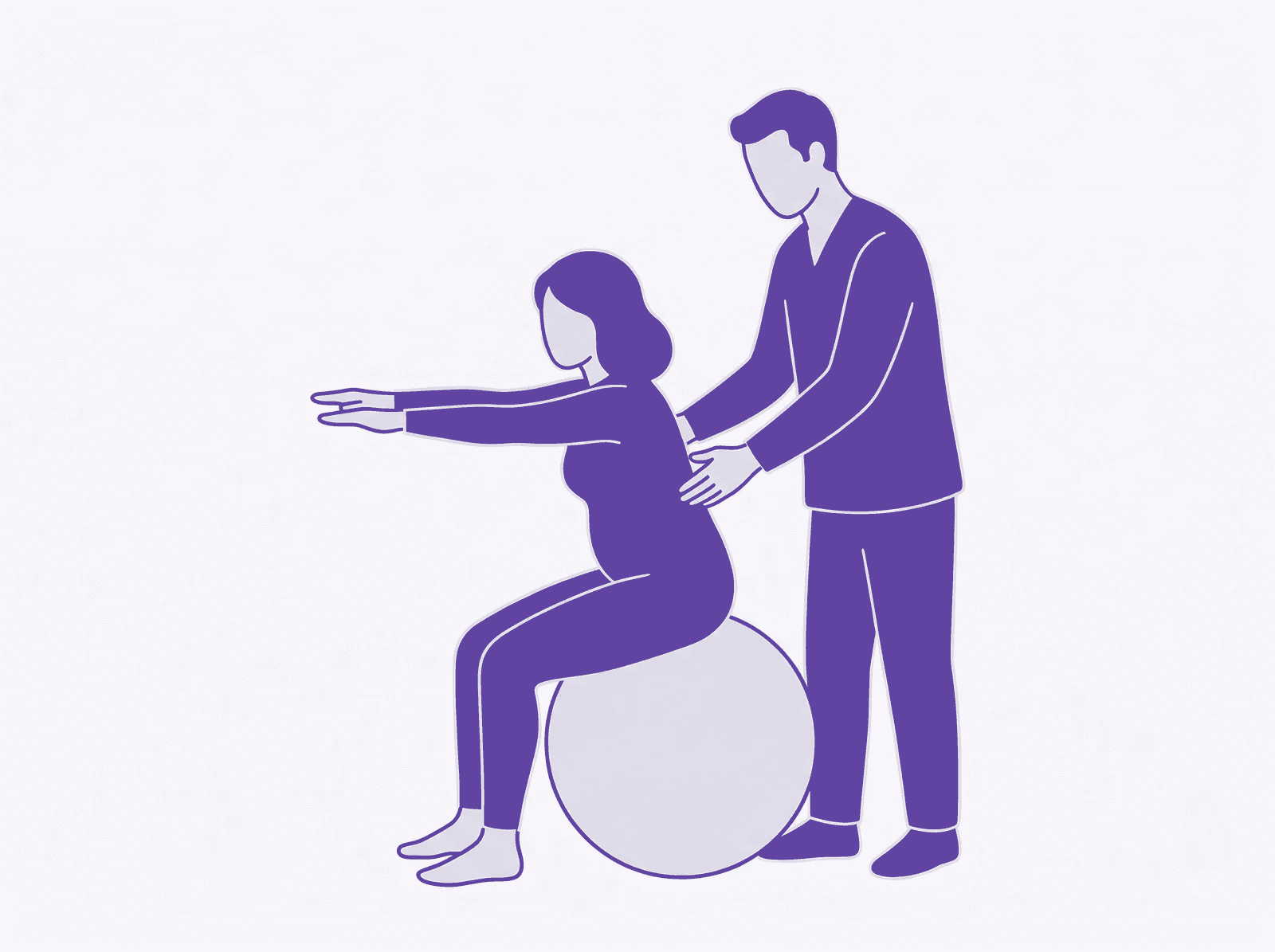
Strength conditioning
Graduated strengthening of the muscles around the surgical site and the whole body, so you enter the operation with reserve to draw on.
03—Modality
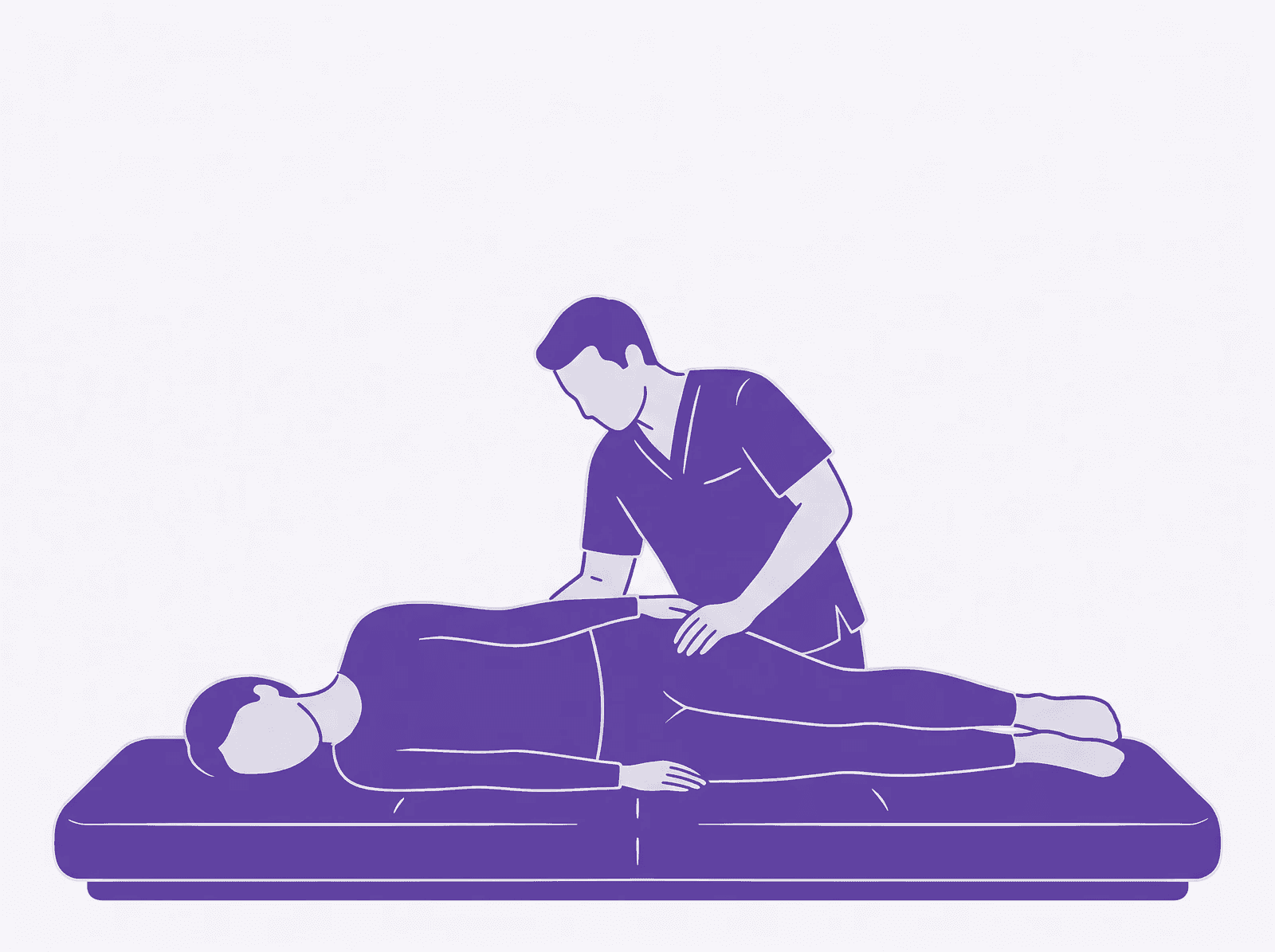
Range-of-motion preparation
Mobility work to maximize joint and tissue motion beforehand, since it's easier to maintain range than to recover it after surgery.
04—Modality
Gait & mobility training
Practicing the walking, transfers, and assistive-device use you'll need immediately after surgery, so day one isn't day one of learning.

05—Modality
Education & recovery planning
Walking through what to expect, how to set up your home, and the early exercises you'll start with, so recovery begins prepared, not surprised.
Education & recovery planning
What to expect
The phased timeline
most patients follow.
Honest milestones. Cases vary, but most look something like this. We re-test at every phase so progress is measured, not assumed.
- 01Weeks before surgery
Evaluation & program design
We assess your starting point and your procedure, then design a focused conditioning plan for the time available before your date.
- 02Conditioning phase
Build strength & mobility
Two to six weeks of graduated strengthening, mobility, and conditioning — as much as your timeline allows.
- 03Final week
Recovery rehearsal
We practice the immediate post-op movements and finalize your home setup and early exercise plan.
- 04After surgery
Seamless transition
Because we already know your body and goals, post-surgical rehab picks up without losing time.
Why LORC
Why LORC
leads this specialty.
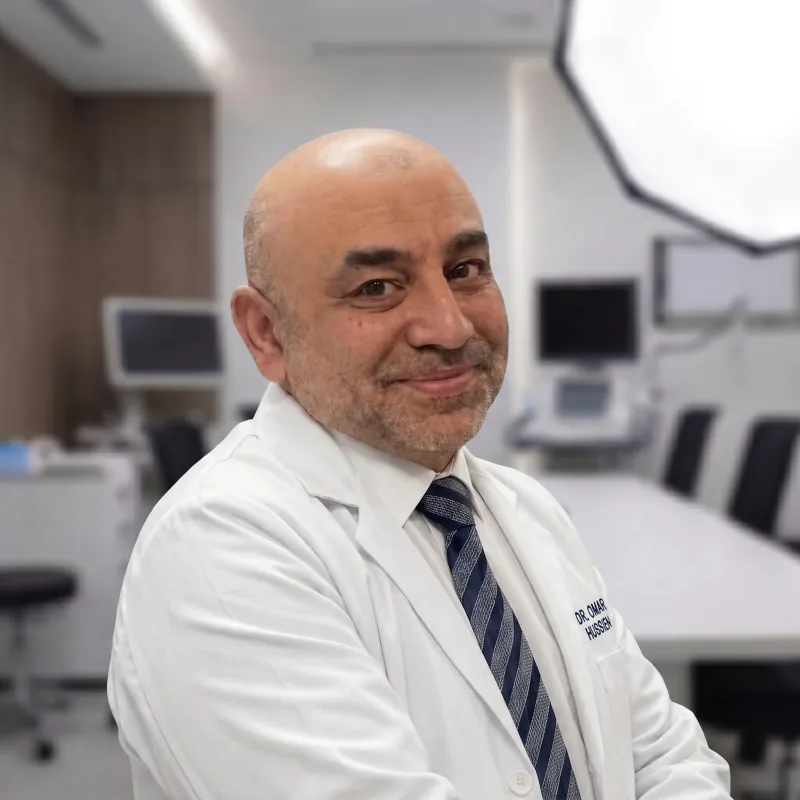
Pre-hab at LORC is built around your specific procedure. Dr. Omar Hussien, PT, DPT, CLT, leads orthopedic and general conditioning programs, while Lamiaa Hefni, CLT-LANA, prepares patients facing oncologic or reconstructive surgery — including the lymphatic considerations general clinics overlook. You're matched to the clinician whose expertise fits your operation.
Related services
What patients with this diagnosis
often add to their plan.
Post-Plastic-Surgery Recovery
Swelling is the bottleneck in cosmetic-surgery recovery. Manual lymphatic drainage helps your body clear post-surgical edema faster — easing discomfort, improving mobility, and supporting the result you and your surgeon are after.
Oncology Rehab
Cancer treatment is hard on the body long after it ends. Our oncology rehab rebuilds strength, range of motion, and endurance — and manages the fatigue and deconditioning that survivorship rarely addresses on its own.
Balance & Fall Prevention
A fall can undo months of recovery. We build the balance, strength, and confidence that keep deconditioned cancer survivors and older adults steady on their feet — and measurably lower the risk of the next fall.
Common questions
About surgical pre-hab
therapy.
For many procedures, yes. Entering surgery with more strength, mobility, and conditioning gives you reserves to recover from, and patients who pre-hab often regain function faster afterward. It also lets you learn the post-op exercises and assistive devices ahead of time, so recovery starts smoothly.
Even two to three weeks helps, though four to six weeks gives more time to build strength. We tailor the program to whatever window you have before your scheduled date and focus on the highest-impact areas for your specific operation.
Pre-surgical conditioning is delivered as medically necessary physical therapy and is often covered when there are documented deficits to address. Coverage varies by plan and procedure, so we verify your benefits before starting and explain any out-of-pocket considerations.
Illinois allows direct access for an initial evaluation. We coordinate with your surgeon so the program aligns with their plan, and ongoing visits may need a physician's order depending on your insurance, which we help arrange.
Get started
Book your
surgical pre-hab evaluation.
Same-week availability for most new patients. We verify your benefits before your first visit.