
Oncology
Post-Mastectomy & Reconstruction Rehab
in Orland Park, IL
Breast surgery affects far more than the chest — shoulder motion, scar tissue, cording, and lymphedema risk all follow. We rehabilitate the whole picture so you recover full function, not just incision healing.
Often paired with related care
What we treat
Conditions
seen in this specialty.
We accept these as primary diagnoses. If you're not sure where your case fits, a 60-minute evaluation maps it correctly on day one.
Limited shoulder range of motion
Difficulty reaching overhead or behind the back after mastectomy, lumpectomy, or reconstruction. Highly responsive to targeted therapy.
Cording (axillary web syndrome)
Tight, painful, ropey bands running from the underarm down the arm. Skilled manual release restores motion safely.
Surgical scar restriction
Tight or adhered scars across the chest and underarm that pull on tissue and limit movement.
Lymphedema risk after node removal
Removal of axillary nodes raises lifetime swelling risk. Monitoring and education reduce it substantially.
Postural changes & weakness
Guarding, rounded posture, and chest and shoulder weakness that develop after surgery and reconstruction.
Expander & implant reconstruction recovery
Stage-appropriate mobility and strengthening that respects the reconstruction timeline and your surgeon's protocol.
When to see a PT
Signals that
warrant an evaluation.
If you notice any of these patterns — even occasionally — it's worth a sixty-minute assessment to map what's actually going on.
Trouble lifting the arm overhead after surgery
A tight cord or band under the arm
Pulling, tightness, or numbness around the scar
Swelling or heaviness in the arm or hand
Aching, rounded posture, or chest tightness
Difficulty returning to dressing, driving, or lifting
How we treat it
The clinical playbook
for this specialty.
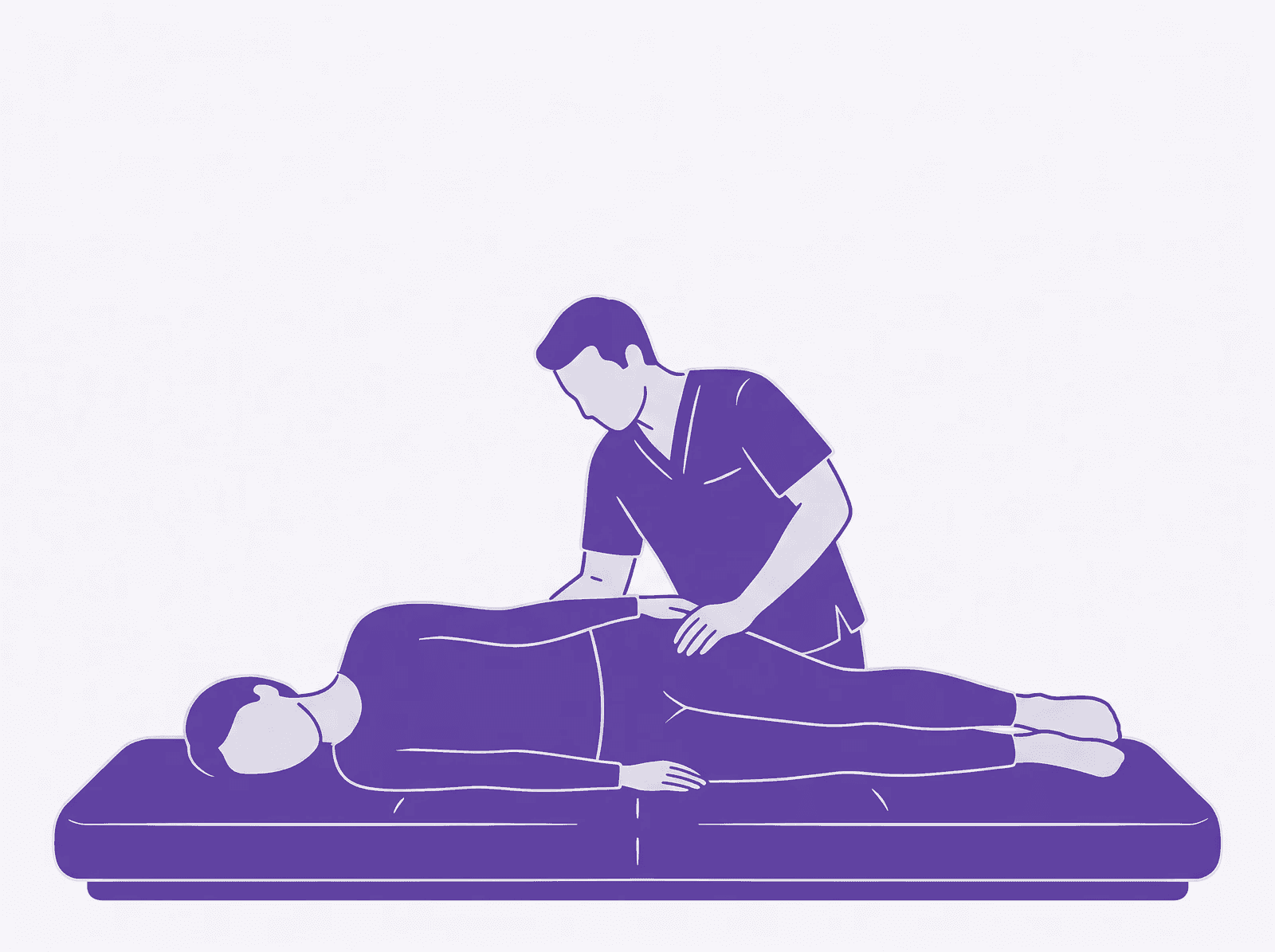
01—Modality
Shoulder range-of-motion restoration
Hands-on and active techniques to recover overhead reach and rotation, sequenced to your surgical timeline and reconstruction stage.
02—Modality
Cording (axillary web) release
Gentle, skilled manual release of the tight bands of axillary web syndrome, restoring arm motion without re-injuring healing tissue.
Cording (axillary web) release
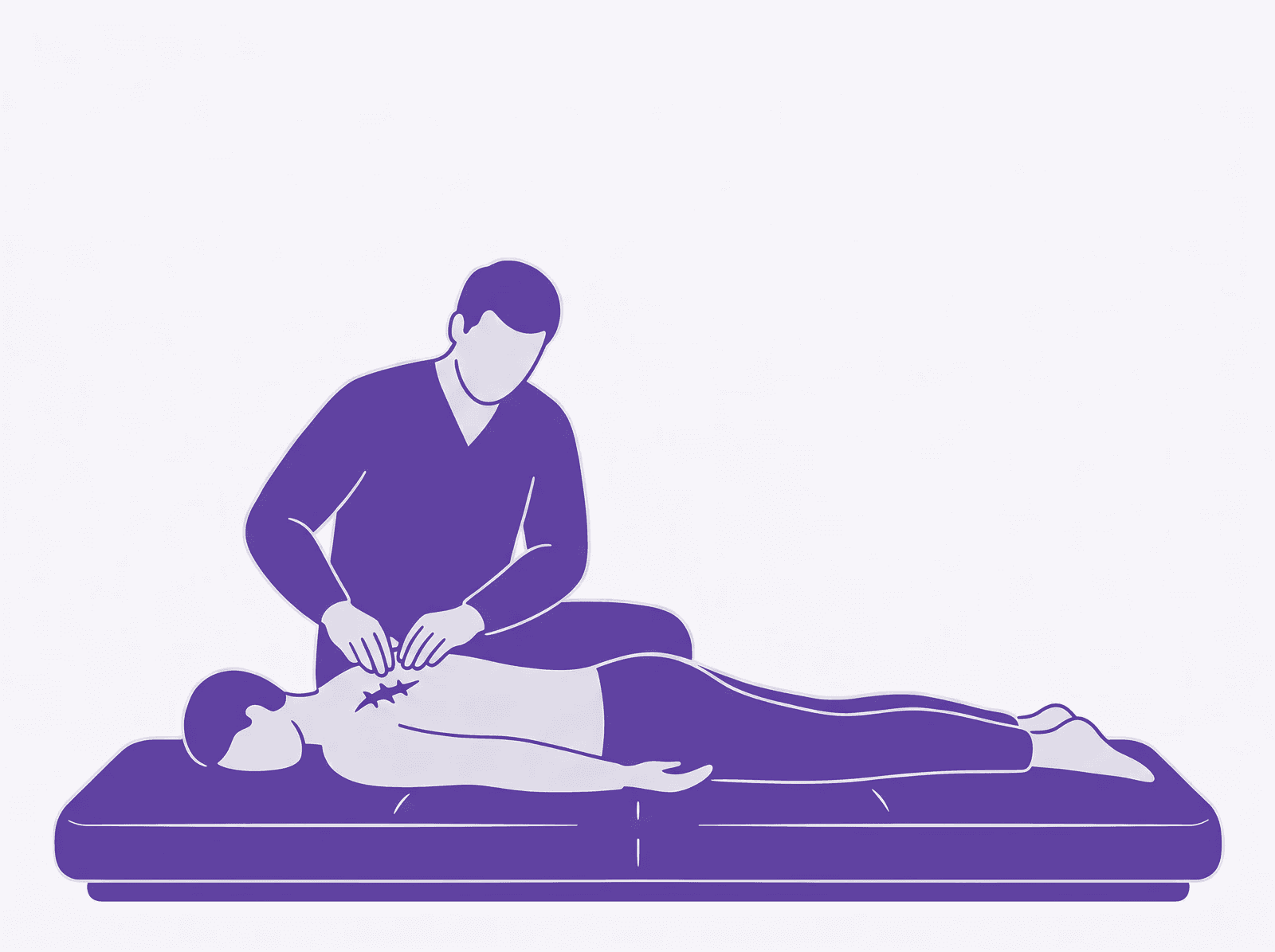
03—Modality
Scar mobilization
Targeted work on chest and underarm scars to free adhesions, reduce pulling, and restore the glide of tissue beneath the skin.
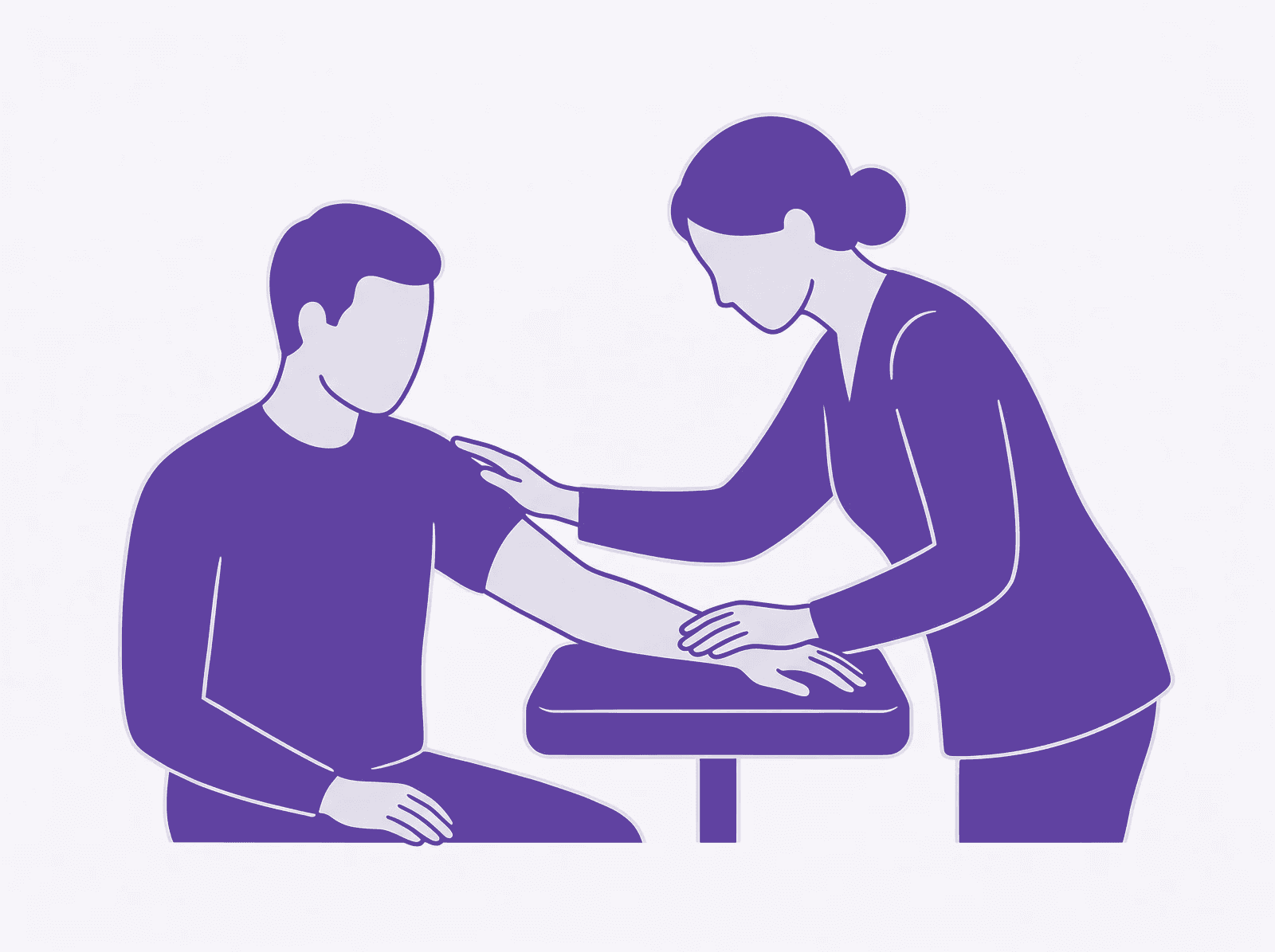
04—Modality
Lymphedema risk reduction
Baseline arm measurements, early-warning education, and self-care training so swelling is prevented or caught at its earliest, most treatable stage.
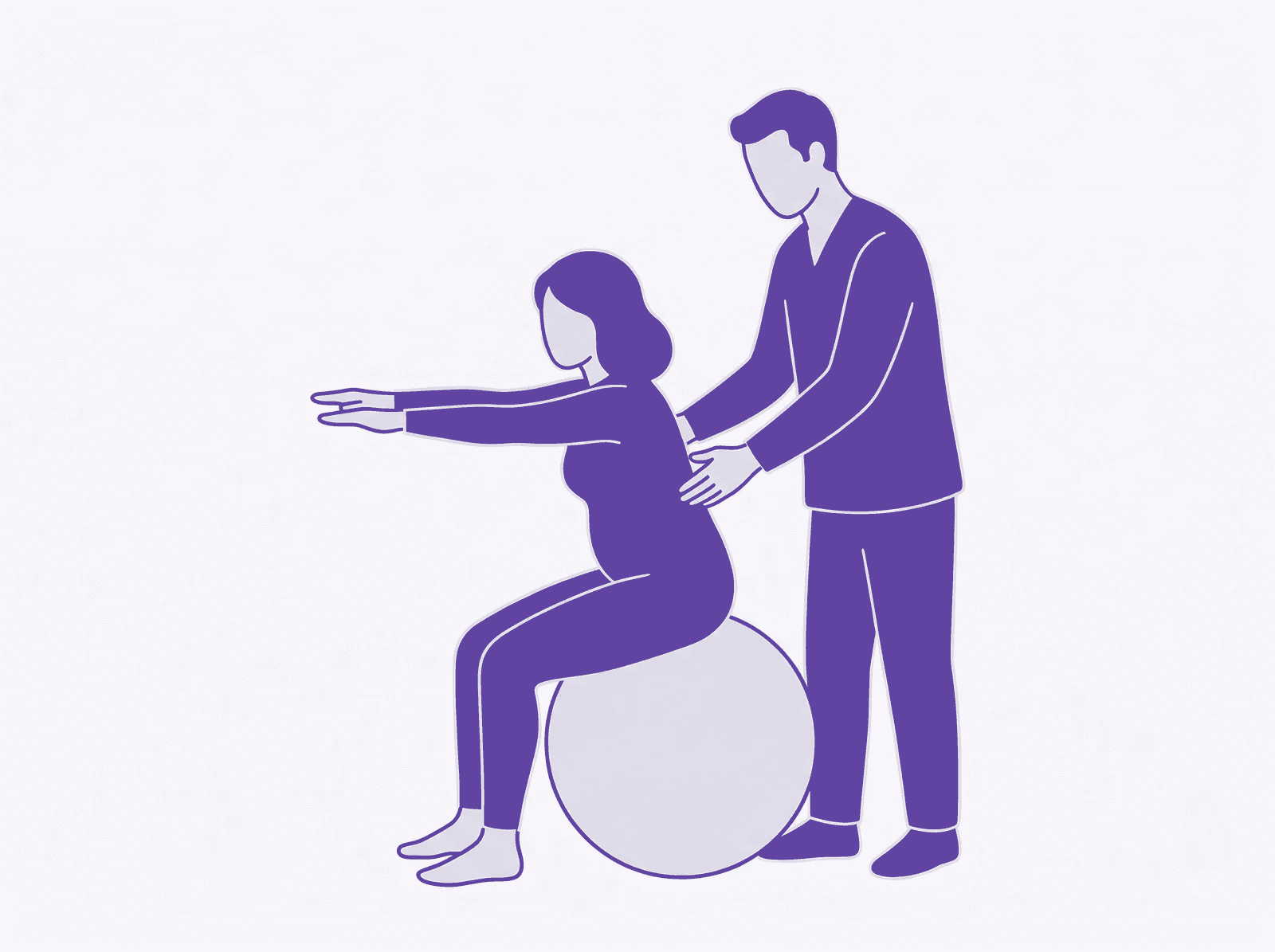
05—Modality
Strength & posture rebuild
Graduated strengthening of the shoulder, chest, and trunk plus postural retraining to undo the guarding that follows surgery.
What to expect
The phased timeline
most patients follow.
Honest milestones. Cases vary, but most look something like this. We re-test at every phase so progress is measured, not assumed.
- 01Early recovery
Gentle motion & education
Within your surgeon's parameters, we restore early shoulder motion, address cording, and teach lymphedema precautions.
- 02Weeks 2–6
Range & scar work
As healing allows, we advance range of motion and begin scar mobilization to free restriction before it sets.
- 03Weeks 6–12
Strength & function
Graduated strengthening and postural retraining return you to lifting, reaching, and daily activities with confidence.
- 04Ongoing
Monitoring & prevention
Continued lymphedema surveillance and a home program keep the arm healthy long-term.
Why LORC
Why Lamiaa Hefni
leads this specialty.
Lamiaa is one of the few CLT-LANA-certified therapists practicing in the southwest Chicago suburbs. The credential — held by roughly one therapist per 100,000 Americans — changes outcomes. That is why patients drive past four or five clinics to see her specifically.

Related services
What patients with this diagnosis
often add to their plan.
Oncology Rehab
Cancer treatment is hard on the body long after it ends. Our oncology rehab rebuilds strength, range of motion, and endurance — and manages the fatigue and deconditioning that survivorship rarely addresses on its own.
Lymphedema Therapy
Most clinics call themselves lymphedema-friendly. Lamiaa Hefni holds the CLT-LANA — the credential roughly 1 in 100,000 Americans is qualified to carry. That is the difference between learning lymphedema and specializing in it.
Radiation Fibrosis & Scar
Radiation and surgery can leave tissue hardened, tight, and restricted months or years later. Targeted soft-tissue work and scar mobilization soften that tissue and give movement back — even when the treatment is long behind you.
Common questions
About post-mastectomy rehab
therapy.
Gentle, protected motion often begins within the first week or two, guided by your surgeon's protocol — early movement helps prevent stiffness and cording. More advanced range-of-motion and strengthening work begins as the incisions and any reconstruction heal. We coordinate directly with your surgical team on timing.
Cording, or axillary web syndrome, is the tight ropey band that can appear under the arm after lymph node surgery. It limits motion and can be painful, but it responds very well to skilled manual therapy — most patients regain significant range over a few sessions of gentle release.
It can meaningfully reduce risk and, just as importantly, catch swelling at its earliest stage. We take baseline measurements, teach you the precautions and self-care that lower risk, and monitor the arm over time so any change is addressed before it becomes established lymphedema.
Illinois allows direct access for an initial evaluation. We work hand in hand with your breast surgeon and oncology team, and ongoing care may need a physician's order depending on your insurance, which we help coordinate.
Get started
Book your
post-mastectomy rehab evaluation.
Same-week availability for most new patients. We verify your benefits before your first visit.